
To make a "POV: you wake up as..." video with AI, pick a role with its own rules, write the whole script in the second person, keep one character as "you" in every scene, and build an arc where the role gives you something and then takes its price. In ClipFlux you type the POV as one sentence, for example "POV: you are a made man in 1940s Italy", and it writes the script in the second person because your brief is, generates every scene with the same "you", and adds the narration, music and captions. You review it scene by scene and render a 9:16 Short, or a 16:9 YouTube video of up to 15 minutes when the role has a whole life in it.
ClipFlux for POV videos, in short
- Point of view: read from your brief. Write "you" and the narration stays in the second person.
- The "you": one character you attach or create, the same in every scene, in any of 9 looks.
- Length: a Short in 9:16, or a long video in 16:9 planned in chapters.
- Finish: 95 narrator voices in 13 languages, music and captions, with per-scene regeneration.
- Free: a new account gets 60 credits for a first video, with no card.
Why second person works
"He swore an oath" is a story about someone else. "You swear an oath older than the country itself tonight" puts the viewer in the chair. That one word is the whole format: the viewer stops judging a character and starts imagining their own reaction, which is why POV videos hold attention and get rewatched. It also means the narration must never slip into "he" halfway through, and the images must show "you" consistently enough that the viewer accepts it as themselves.
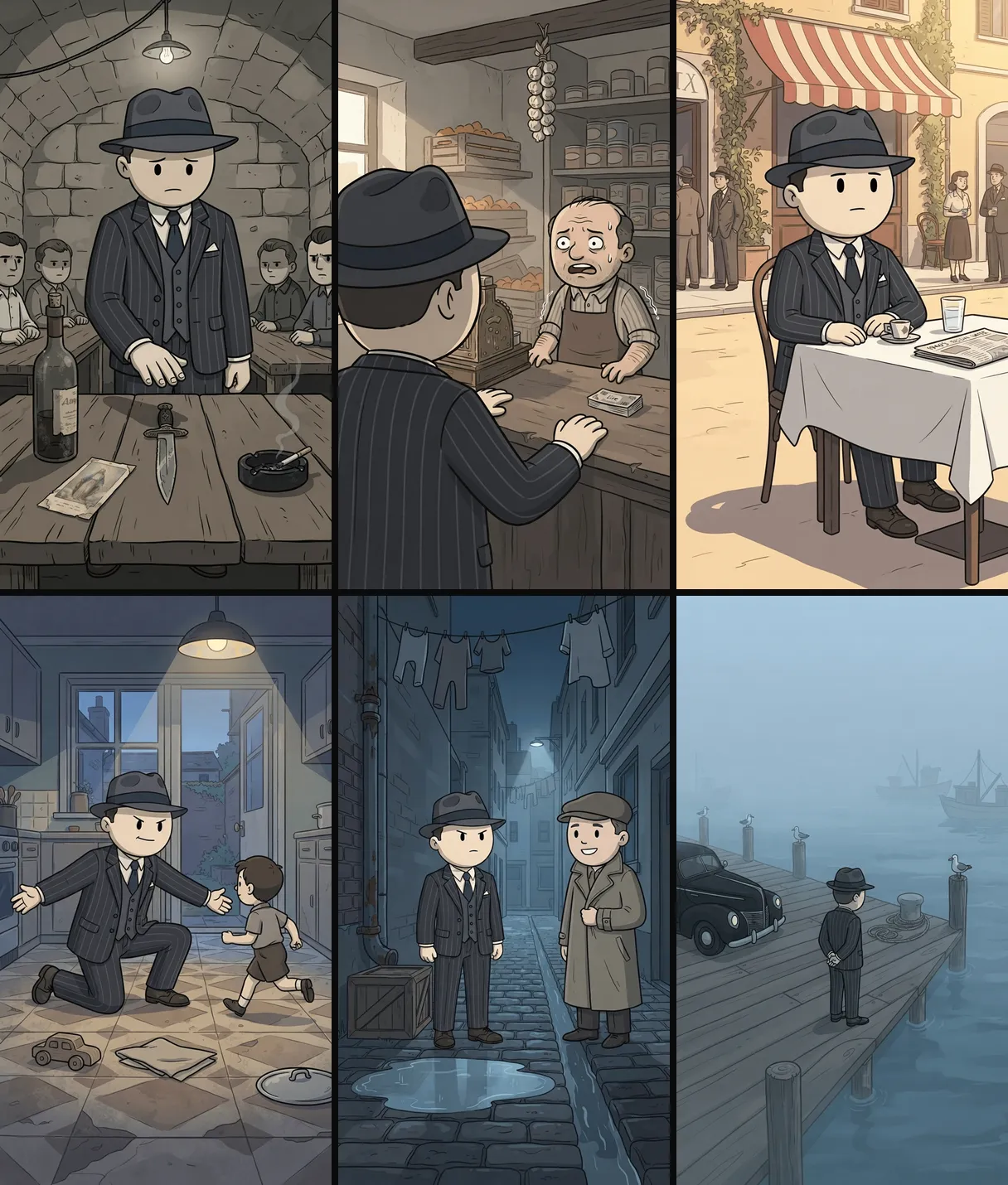
Step 1: Pick a role with rules
The best POV roles come with rules the viewer does not live by: an oath of silence, a ration of bread, a fortune that changes how every person treats you. Rules give the script things to show (the burnt saint card, the envelope on the desk) and a way for the role to go wrong. Three shapes cover most of the trend: waking up as someone (the world's first trillionaire), living as someone in an era (a soldier in the trenches, a made man in 1940s Italy), and waking up somewhere else (reborn in another century). The viral skeleton version is its own format, covered in our skeleton POV guide.
Step 2: Write the brief in the second person
Start the brief the way the video should start: "POV: you wake up as..." or "Your life as...". Then read the first line of the script and check it says "you". We learned this from our own World War 1 test, "POV: Your life as a World War 1 soldier", which came back as "He arrived at the front full of patriotic fire." That was the visual style choosing the narrator; ClipFlux now takes the point of view from the brief, so a "you" brief stays a "you" video. With any tool, the check costs five seconds and saves a wasted render.
Step 3: Decide what "you" look like
Attach one character and let it play "you" in every scene. Viewers accept a consistent stand-in surprisingly easily; what breaks the spell is a different face in scene seven. Over the shoulder, from behind and in reflections are good angles for a POV, because they keep the viewer behind the character's eyes. If the character drifts, regenerate that scene with a note; our guide to consistent characters has the fixes.
Step 4: Build the arc: arrival, rules, rise, cost
Nearly every POV video that lands has the same four movements. Arrival: you wake up into the role. Rules: you learn how it works. Rise: it gives you something, money, respect, power. Cost: it takes something back. The made-man video runs exactly that way, from "You swear an oath older than the country itself tonight" to "Your best friend smiles. His hand is already in his coat." The last line should turn the whole video around: "Omertà means silence. You'll be the quietest man in the whole harbor."
Step 5: Get one or two true details right
A POV in a real era lives on small true details: what things cost, what people ate, what they were afraid of. One or two are enough, but they have to be right, because history viewers notice. Keep the "you" fictional and keep real, living people out of invented scenes. A fictional role in a real era is safer and works just as well. If you write about real events, our documentary guide has a quick fact-check routine.
Step 6: Choose a Short or a long version
Thirteen scenes carry a POV Short: arrival, a few rules, the rise, the cost, the turn. Some roles hold a whole life, and those work as long videos. Our "POV: you wake up as the world's first trillionaire" runs five minutes in 16:9: sixty scenes in six chapters, from "You wake to your phone buzzing" to "You are the richest person who has ever lived. You are also the loneliest." Its frames are on our long video generator page. A long POV needs chapters that each change something about the role, or the middle sags.
Questions
What does POV mean in these videos?
Point of view. The narration speaks to the viewer as "you", so they live the role instead of watching someone else live it: "You wake up and your bank app shows one trillion dollars."
What AI do people use for POV videos?
Many creators chain a chatbot for the script, an image model for scenes, a voice tool and an editor. ClipFlux does all of it from one sentence and keeps the narration in the second person when the brief is written that way.
Can the POV be set in the future or a made-up world?
Yes. Past eras, the future and invented roles all work. The rules of the role carry the video, so invent a few clear ones and stick to them.
Can I make a POV video about a real person?
Keep the "you" fictional. Putting a real, living person in invented scenes can mislead viewers, needs YouTube's AI disclosure when it looks realistic, and can break platform rules. A fictional role in a real era is safer and works just as well.