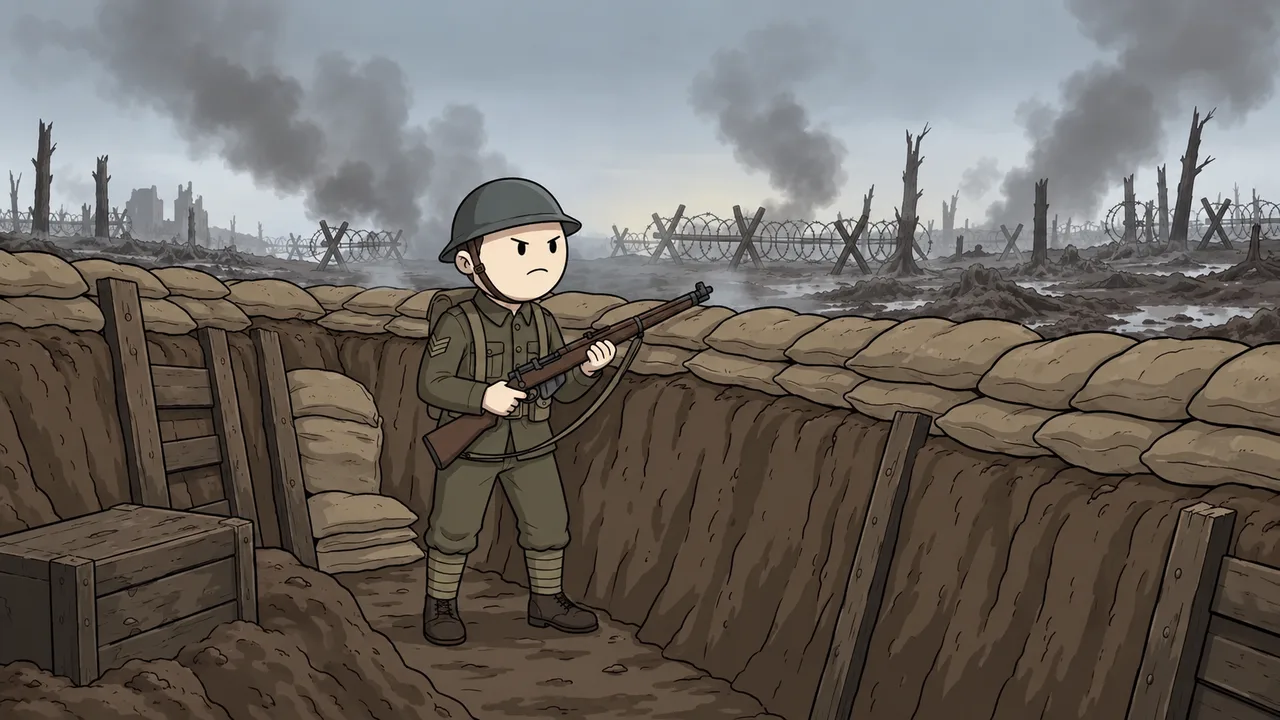
The Wall Street Crash, explained
Doodle 2D · 3:27 · 36 scenes
- 1The Roaring Twenties
- 2The Bubble Inflates
- 3Black Thursday
- 4Black Tuesday
- 5The Aftermath
ClipFlux turns a moment in history into a narrated YouTube documentary up to 15 minutes long. It writes the script, splits it into chapters, draws every scene in one consistent look and voices it.
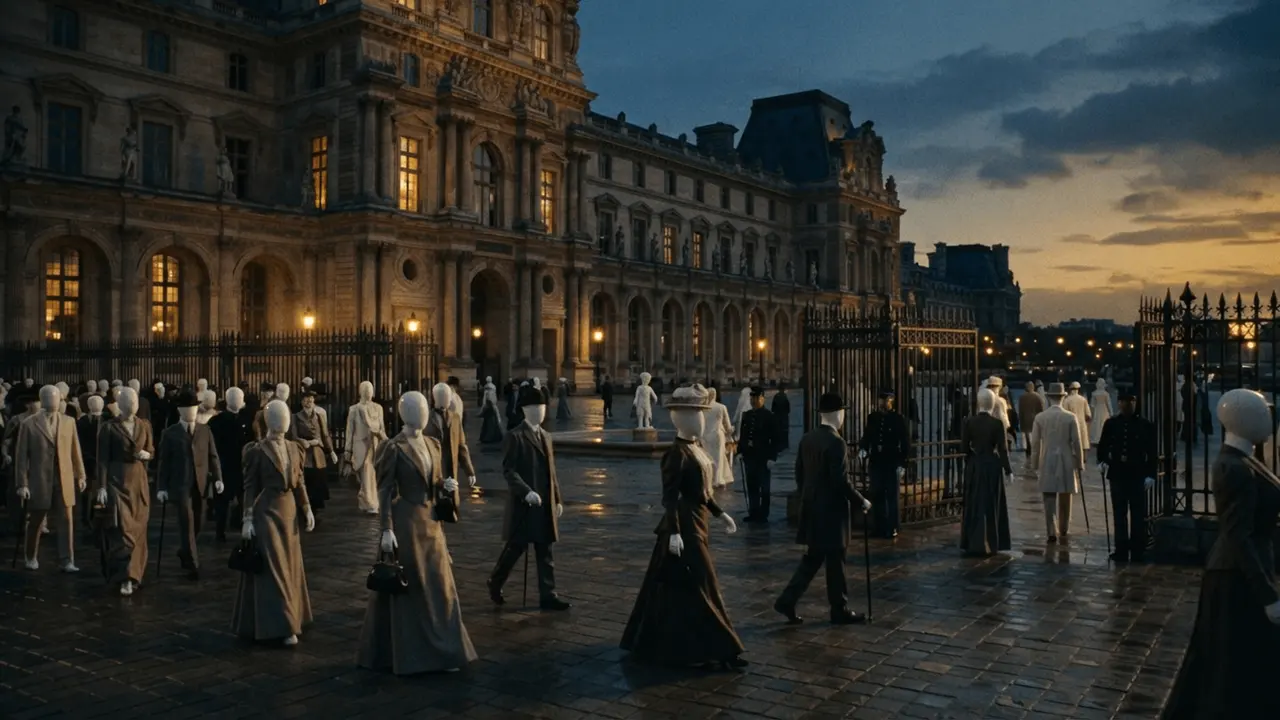
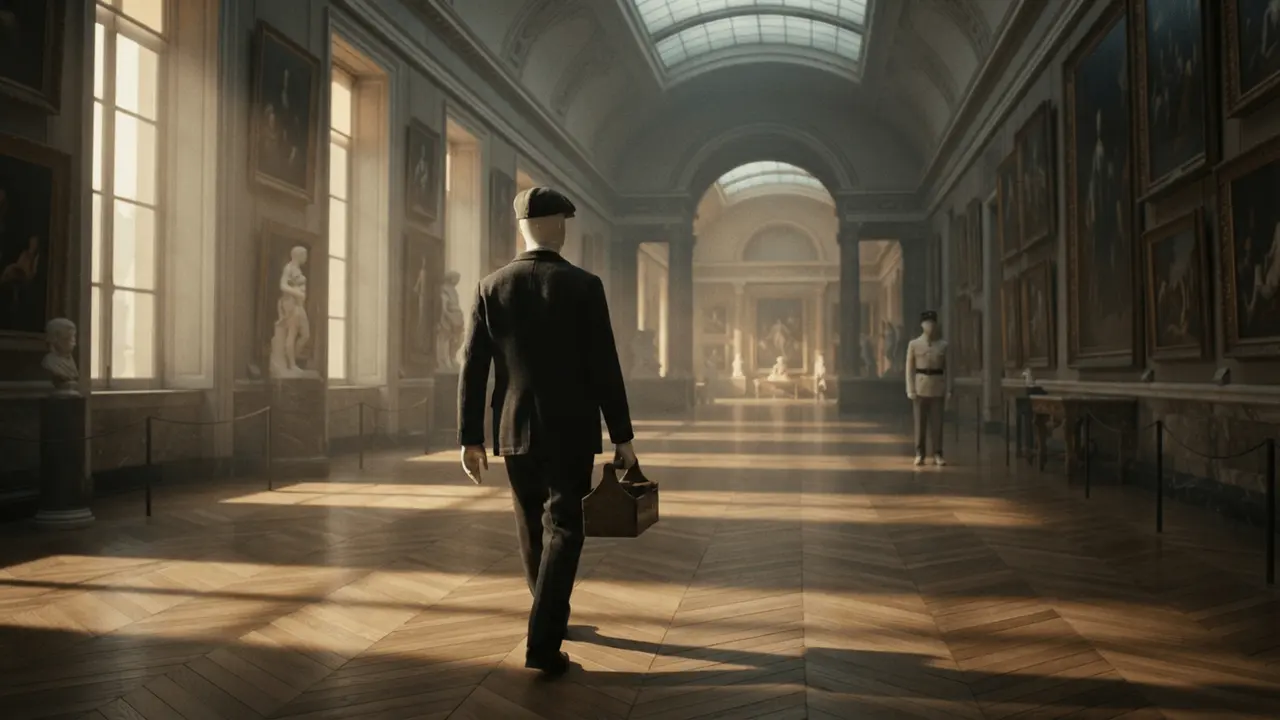
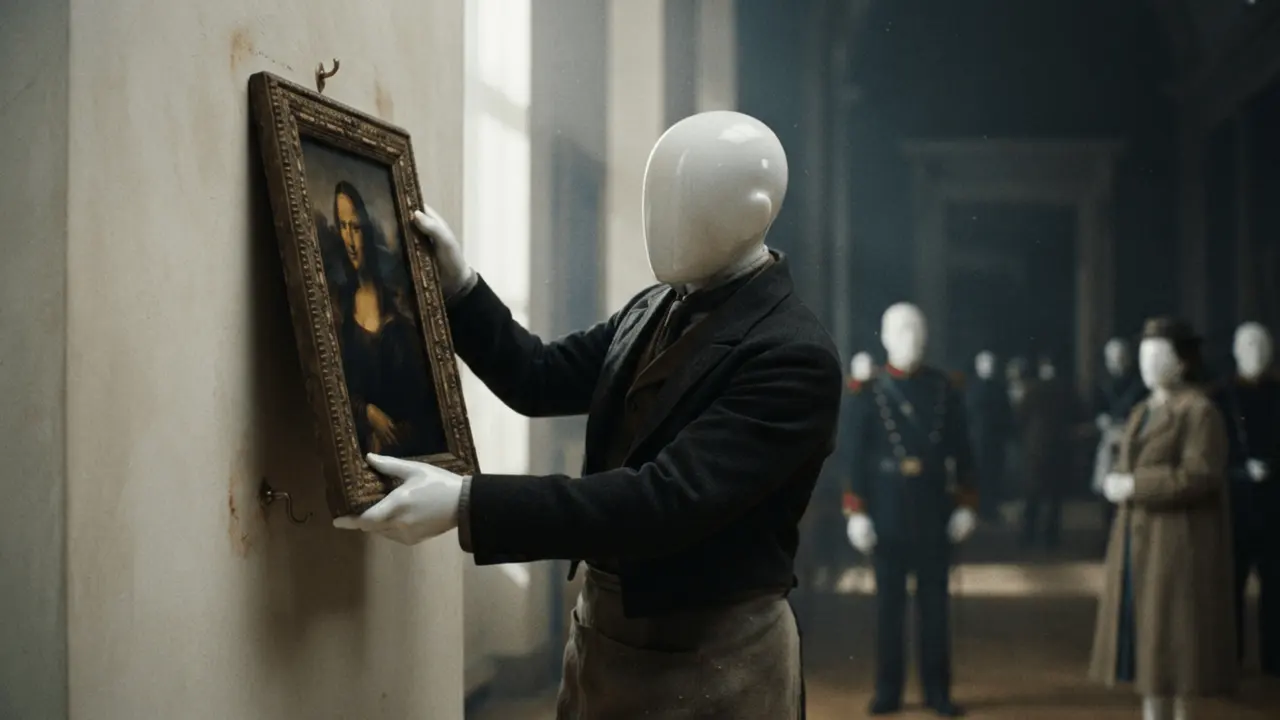
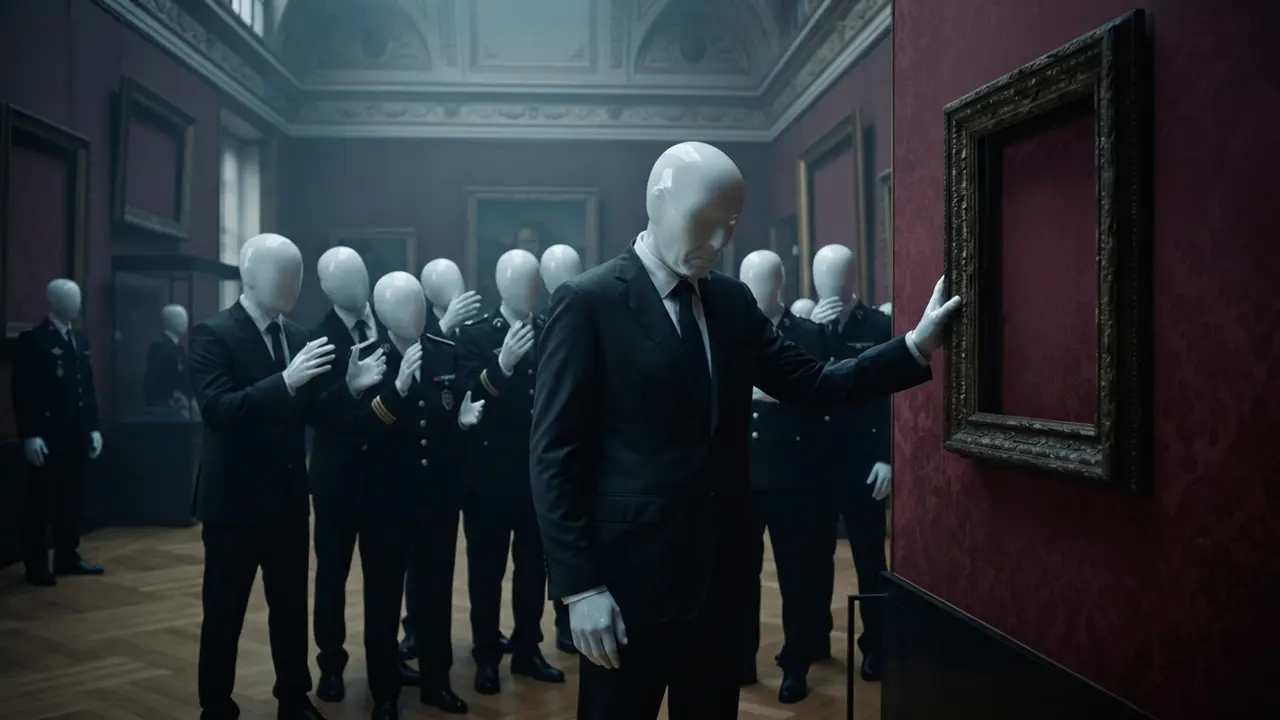
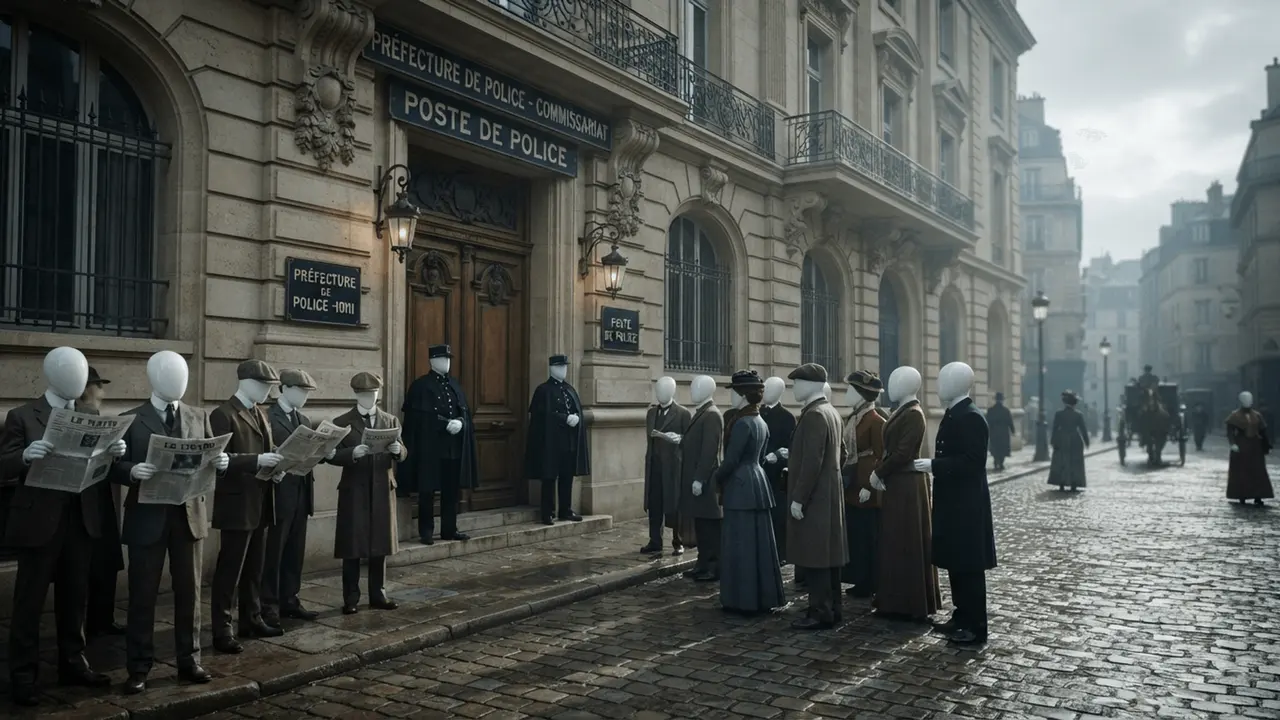
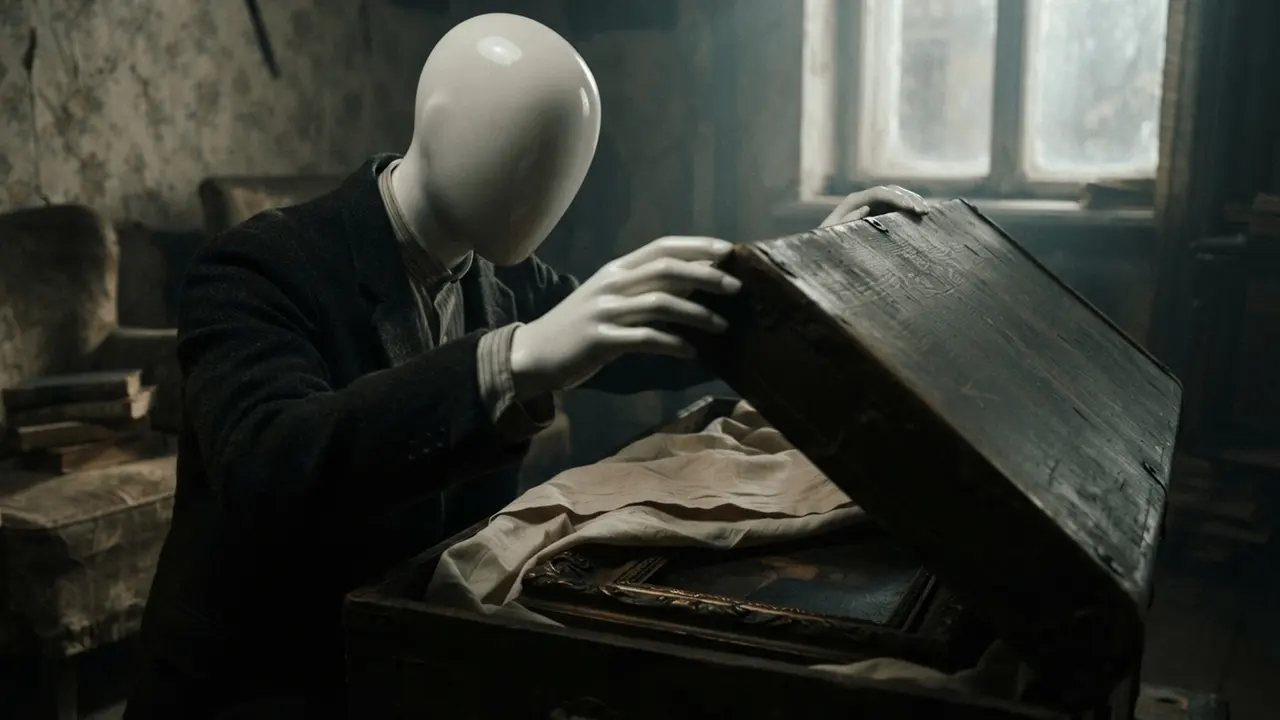
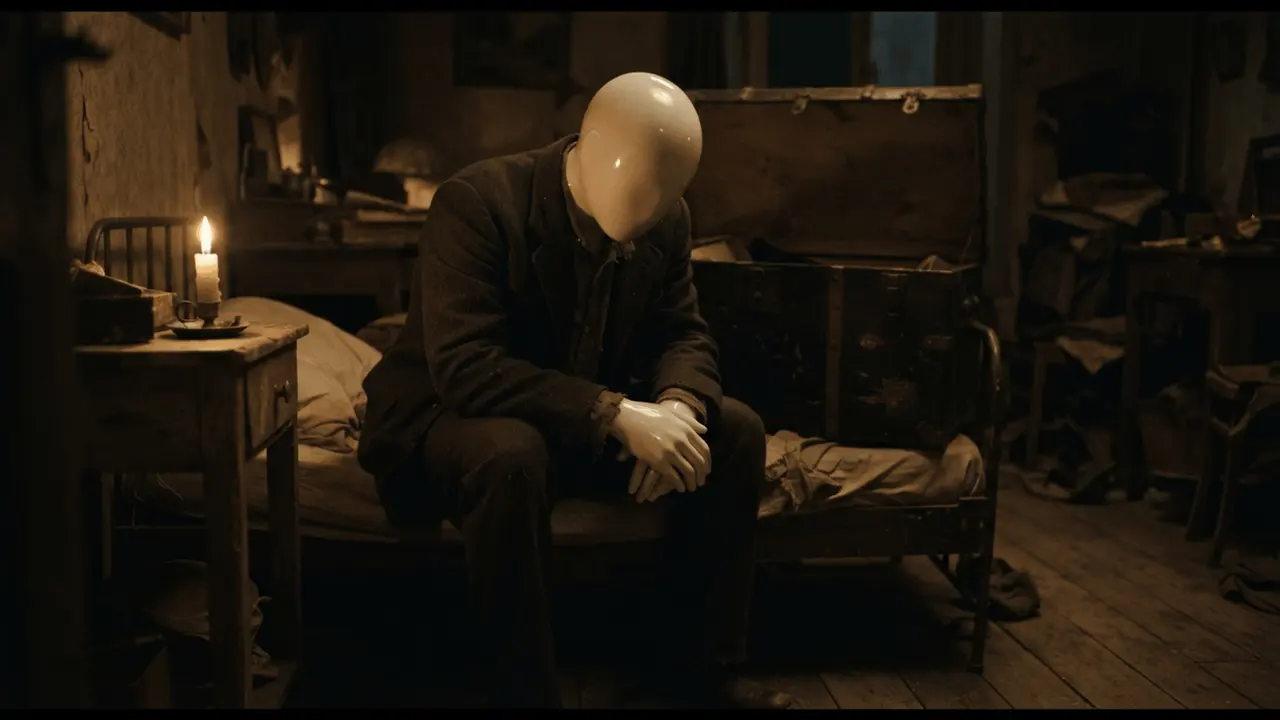
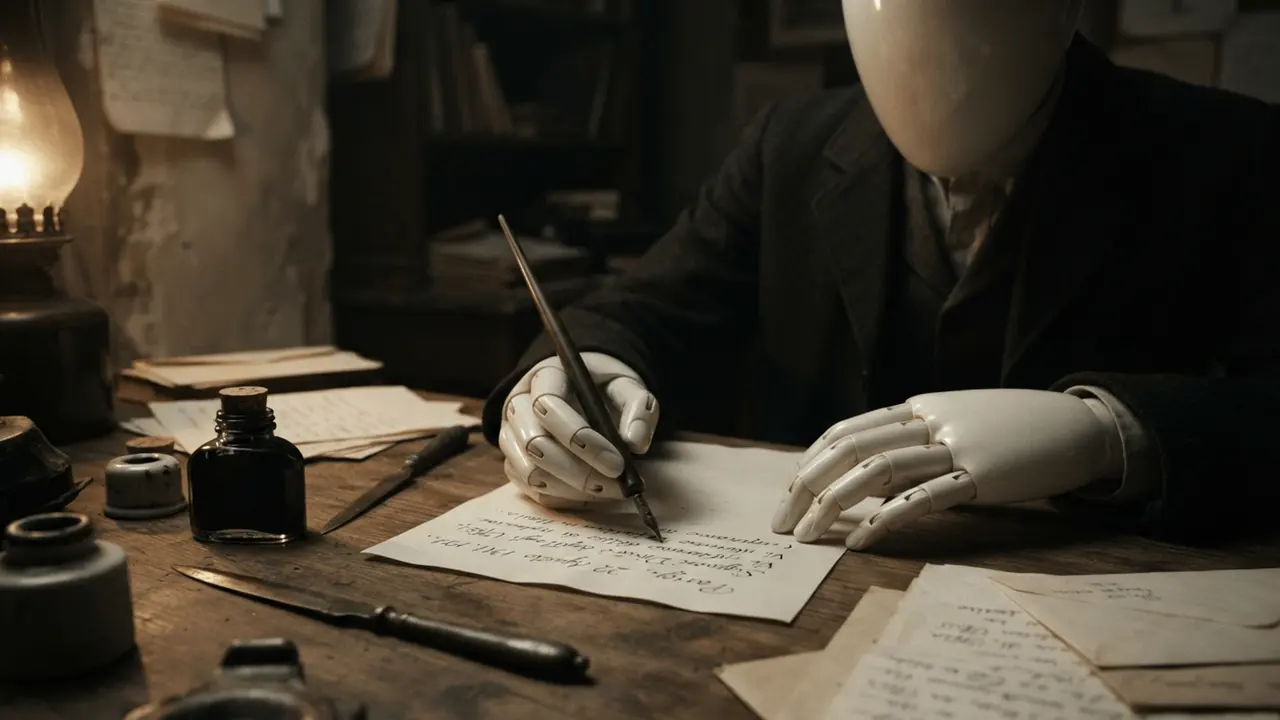
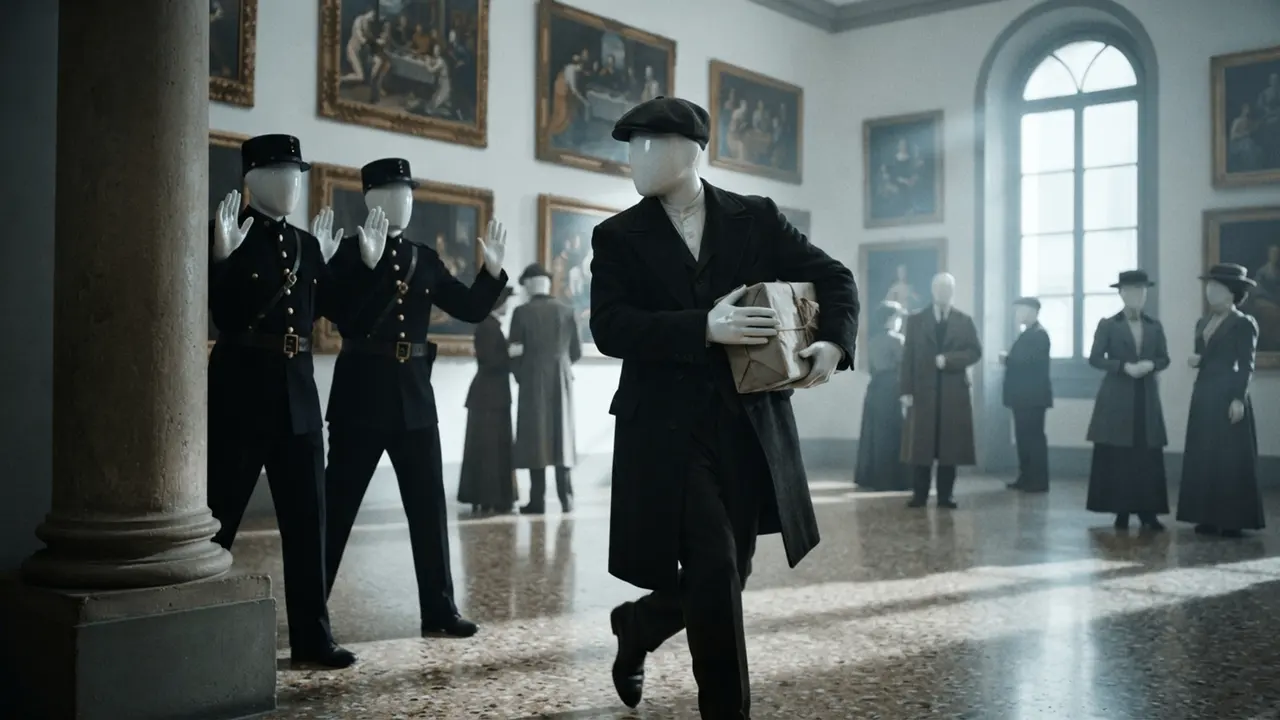
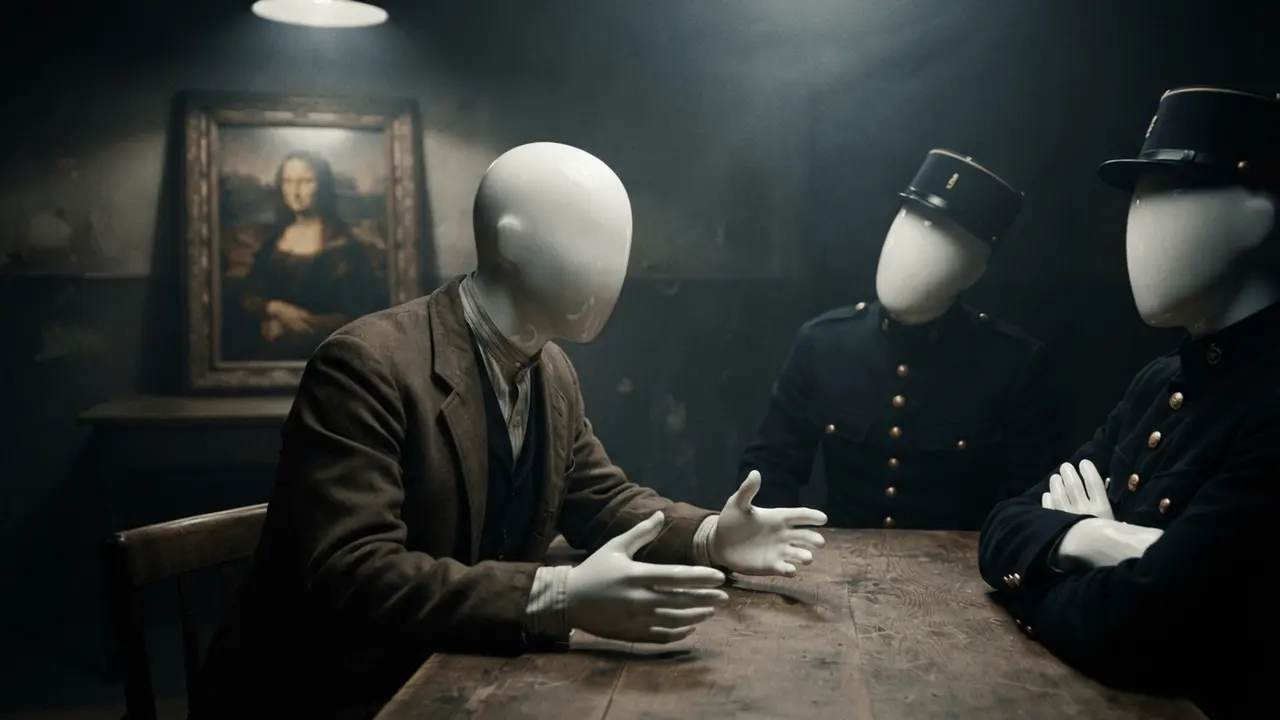
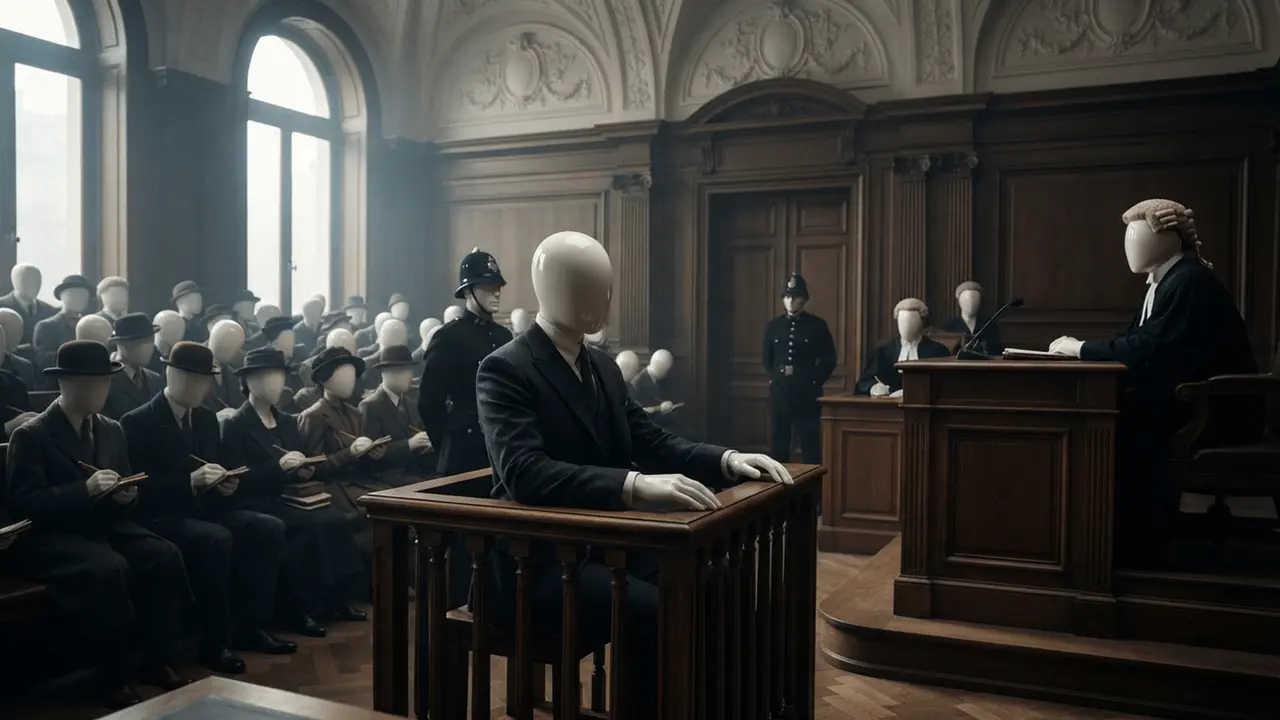
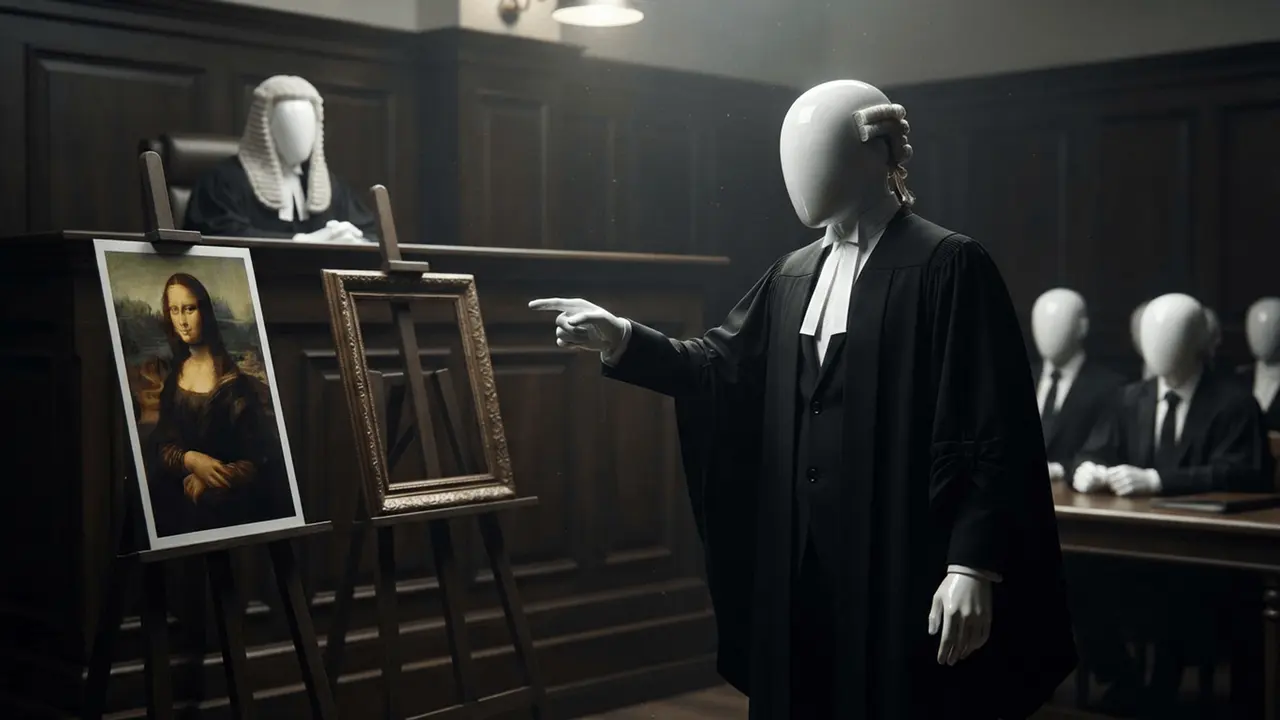
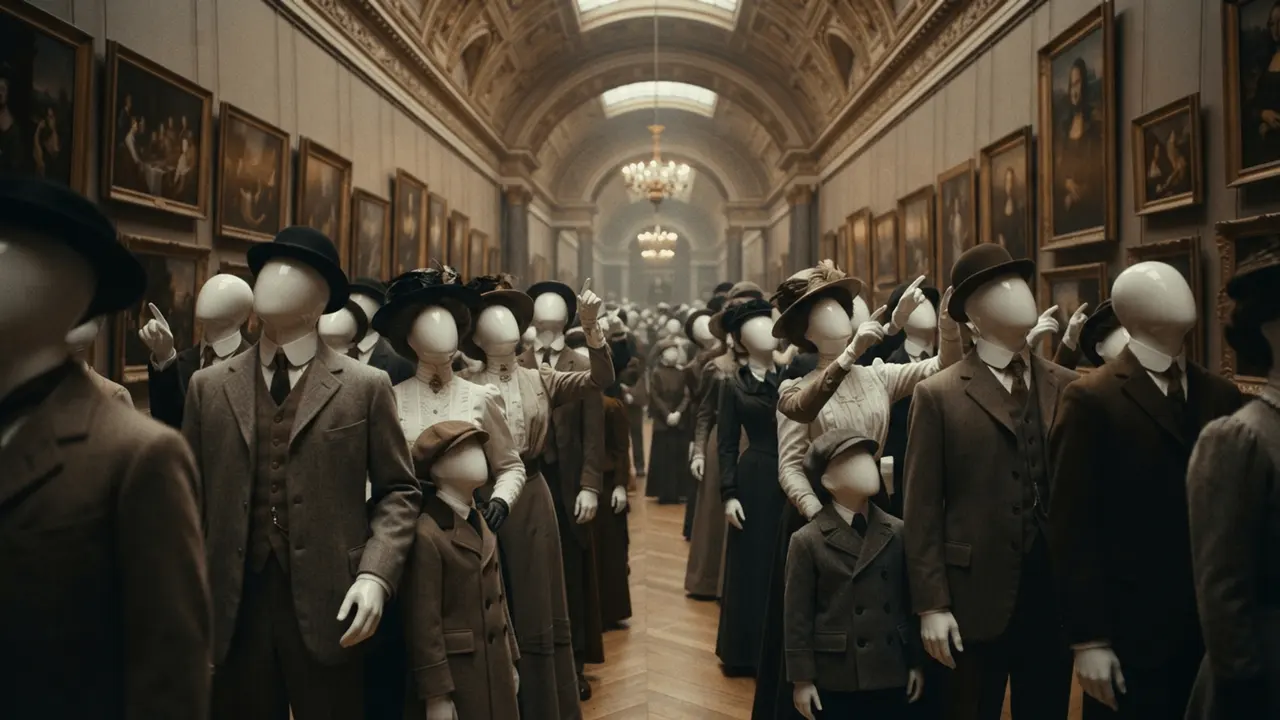
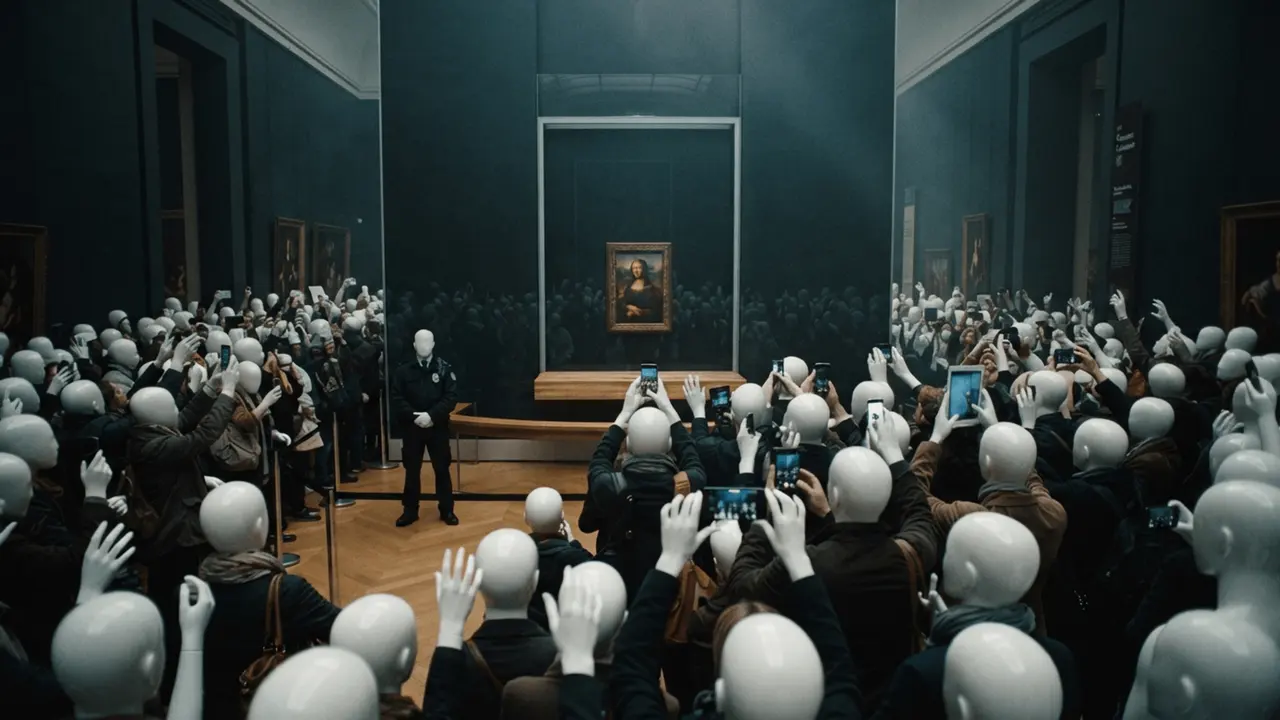
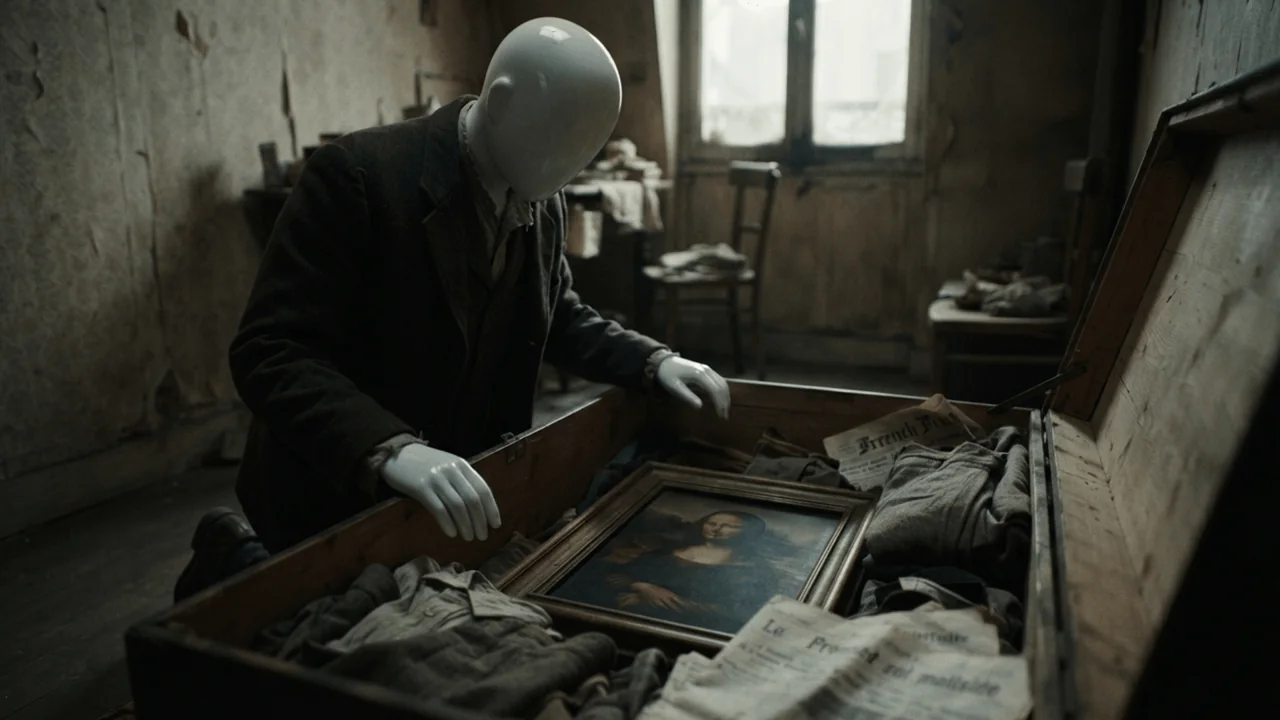
The Mona Lisa video above started as this brief. ClipFlux planned a cold open and nine chapters, then drew and narrated all forty scenes.
The man who stole the Mona Lisa. In August 1911 an Italian handyman named Vincenzo Peruggia walked out of the Louvre with the most famous painting in the world under his coat, and nobody noticed for a day. Tell it as a true crime story […]: how he hid in a closet overnight, why the empty wall drew more visitors than the painting ever had, why Picasso was questioned, how Peruggia kept it in a trunk in his Paris flat for two years, and how he was caught trying to sell it to a gallery in Florence. End on the twist: the theft is the reason the Mona Lisa is famous today.
Typed on ClipFlux in September 2026, shortened only where marked.
Mannequin 3D · 3:30 · 40 scenes
Each one opens the builder with the brief filled in. Change the words, the length or the look before you generate.
Two more videos made with ClipFlux, both in Doodle 2D.
Doodle 2D · 3:27 · 36 scenes

Doodle 2D · 1:57 · 20 scenes
Every scene is drawn in the look you pick, from the cold open to the last chapter. These four carry a documentary well.
AI writes history with total confidence, and sometimes it is wrong. The script for the Mona Lisa video above contained two errors:
Neither sounds wrong when narrated, which is the problem. So read the script before you export: ClipFlux lets you watch the video scene by scene and send any scene back with a note on what to change, and only that scene is made again.
YouTube asks you to label realistic-looking synthetic content about real events when you upload, and it does not monetize mass-produced videos with nothing of the creator in them. A researched, checked documentary is the opposite of that. The details are in our guide Can AI make documentary videos?
Yes. A free ClipFlux account starts with 60 credits, enough for a 1-minute history video with chapters, narration and captions. Free videos carry a small ClipFlux watermark, which any purchase removes, and paid plans go up to 15 minutes.
Up to 15 minutes. ClipFlux plans a long video as a cold open and chapters, at about 12 scenes a minute, so a 10-minute documentary is around 120 scenes, each one drawn and narrated.
About 380 credits, at 38 credits a minute. On a paid plan that is from $9.74; the exact amount depends on the plan you are on.
Not automatically. The script is written by an AI model, which can get names, dates and numbers wrong while sounding certain. Our own Mona Lisa video got two details wrong. Read the script before you export, and send back any scene that needs fixing with a note.
AI videos can be monetized. What YouTube excludes is inauthentic content: mass-produced videos from a template with nothing of the creator in them. Researched, fact-checked videos you review yourself are the opposite. YouTube also asks you to label realistic-looking synthetic content about real events when you upload.
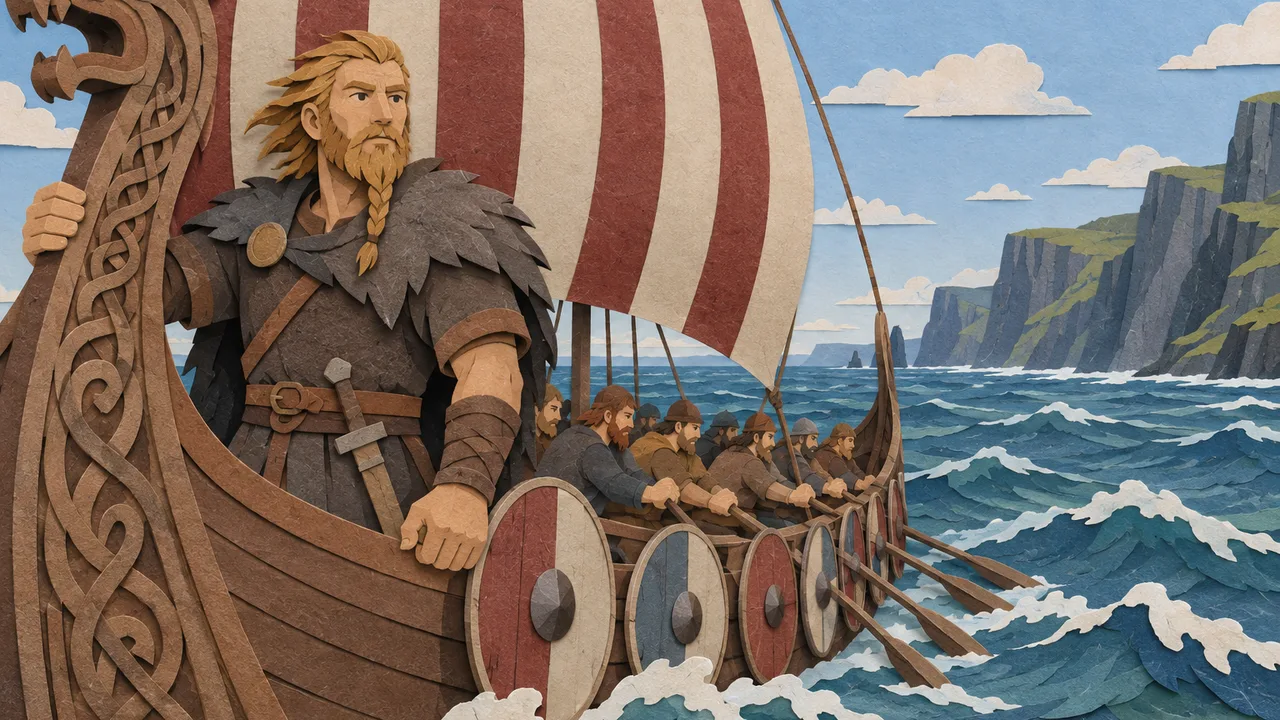
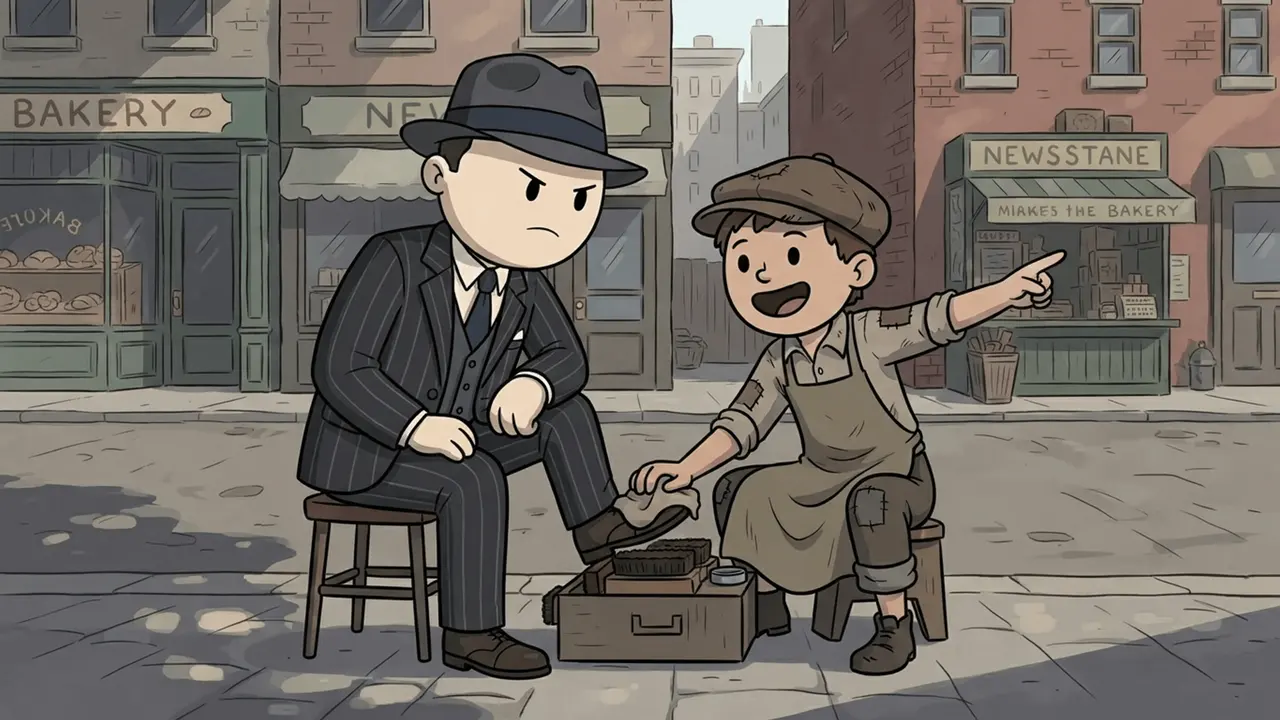
Mannequin 3D for serious, cinematic true stories, Doodle 2D for explainers and economics, Paper Cutout for ancient history and myths, Vintage Toon for the gangster era. You can also build your own look from reference images.
Yes. Attach a character and ClipFlux sends its reference images and one fixed description with every scene, so the person looks the same from the first chapter to the last.
Your first chaptered video is free, 1 minute long, no card needed. Plans go up to 15 minutes.
Make a history video