












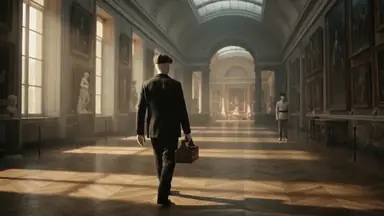
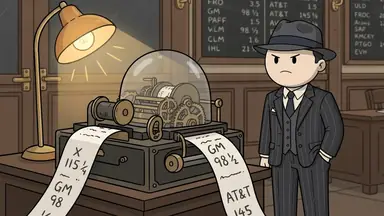
To make a storytelling video with AI, pick a story where something goes wrong, open on its most surprising moment, plan it in chapters that each end on a question, keep one cast and one narrator throughout, and check the facts if it is true. ClipFlux writes, draws and narrates the whole story from a short brief, in 16:9 chapters of 1 to 20 minutes, with the same characters in every scene. Below, three real ClipFlux stories show each step.
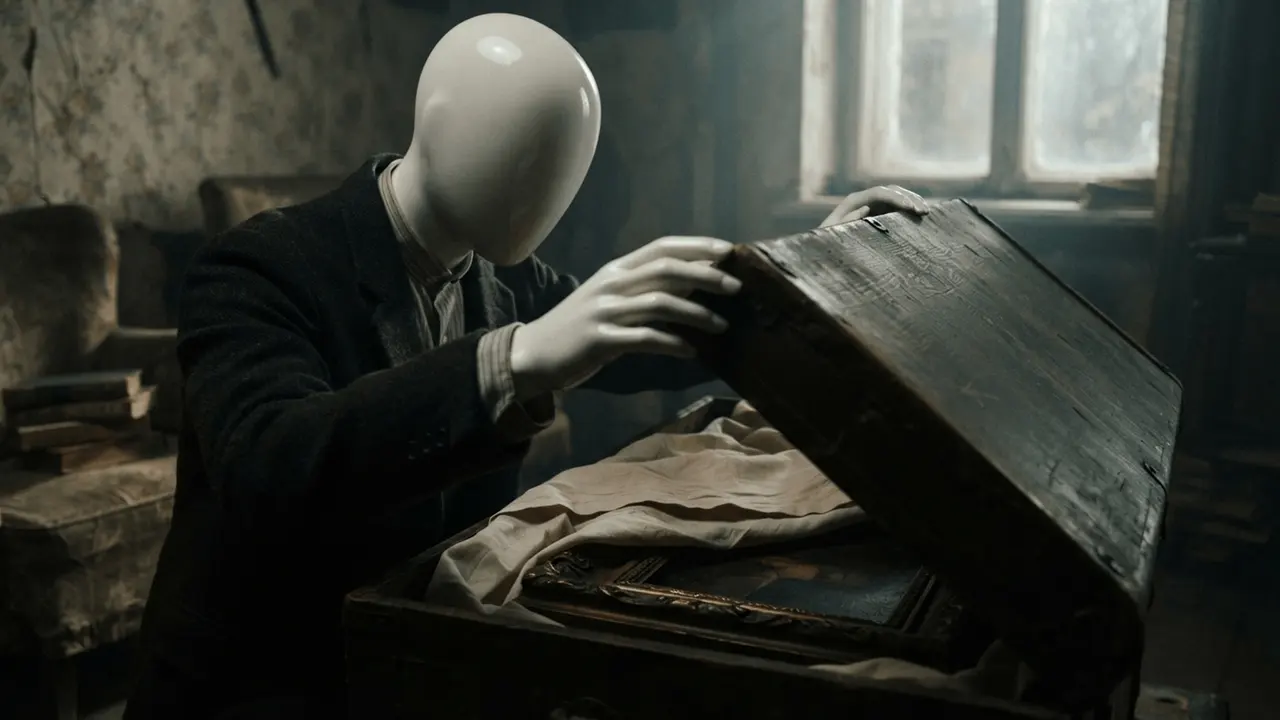
Three stories made this way
| Video | Story | Shape |
|---|---|---|
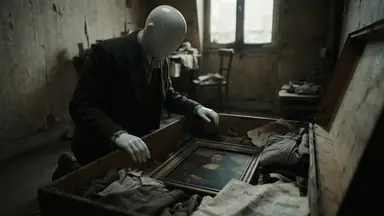
| The man who stole the Mona Lisa | True crime, 3:30, Mannequin 3D | Third person, a cold open and nine chapters |
| Could you survive a lifetime as a medieval peasant? | A life, 14:40, Doodle 2D | Second person ("you"), twelve chapters |
| The Wall Street Crash, explained | History, 3:27, Doodle 2D | Third person, five chapters from five words |
Each plays in full with its transcript: the Mona Lisa theft, the medieval peasant and the Wall Street Crash.
Step 1: Pick a story with a turn
Something has to go wrong: a theft nobody noticed, a ship found empty, a life that falls apart and rebuilds. True stories need a turn the facts already have; made-up ones (folk tales, horror, bedtime stories) need one the viewer did not see coming.
Step 2: Open cold
Start at the most surprising moment, then go back. The Mona Lisa video opens on a handyman walking out of the Louvre with the painting and nobody noticing for a day, before it explains who he was.
Step 3: Plan it in chapters that end on a question
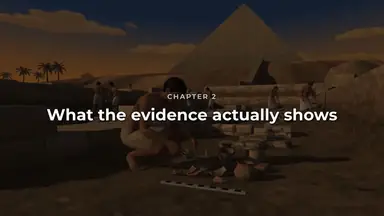
Each chapter answers one thing and opens the next: where is the painting, who did they suspect, how was he caught. ClipFlux plans the chapters from the brief and shows each one on a title card; read the plan before the scenes are drawn and change the order if the story drags.
Step 4: Keep one cast and one narrator
The same faces in every scene and one voice from start to end make a story feel like one piece. ClipFlux describes each character once and draws every scene from it; how that works is in keeping characters consistent.
Step 5: Check the facts in true stories
AI scripts state wrong details with total confidence. Our own Mona Lisa video gets seven things wrong, from who found the empty wall to how long the thief spent in prison; every one is listed on its page. Give the facts you trust in the brief, then check names, dates and who did what before you post.
Step 6: Post it as a series
One story a week in the same look and voice builds a channel people come back to. A ClipFlux Channel can keep a list of stories and post one on the days you pick, waiting for your OK on each script if you want to check it first.
Stories to start from
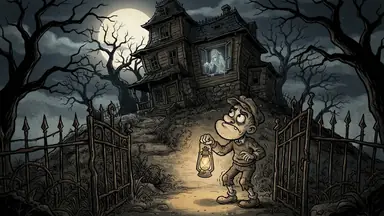
- The ship found sailing with no crew
- The bank robbery that went perfectly, until the getaway
- The lighthouse keepers who vanished in one night
- A day in the life of a Roman gladiator
For darker stories see scary story videos, and for true ones the AI documentary video generator.
Questions
Do storytelling videos have to be true?
No. True stories (crimes, disasters, strange history) and made-up ones (folk tales, horror, bedtime stories) both work. True ones need fact-checking; made-up ones need a turn the viewer did not see coming.
How long should a storytelling video be?
Most narrated story channels run 8 to 20 minutes, long enough for mid-roll ads from 8 minutes. ClipFlux makes 1 to 20 minutes per video, in chapters.
Should the narrator say "you" or tell it in the third person?
Both work. Third person suits true stories about real people; second person ("you are born in 1300...") pulls the viewer in for history and survival stories. ClipFlux picks one from the brief, and you can ask for either.