
AI documentary video generator
ClipFlux turns one true story into a narrated YouTube documentary up to 15 minutes long. It writes the script in chapters, draws every scene in one look, including faceless 3D mannequins, and narrates it. You review it scene by scene before it goes anywhere.
- Up to
- 15 min
- From
- $0.97/min
- Free
- 1-min video
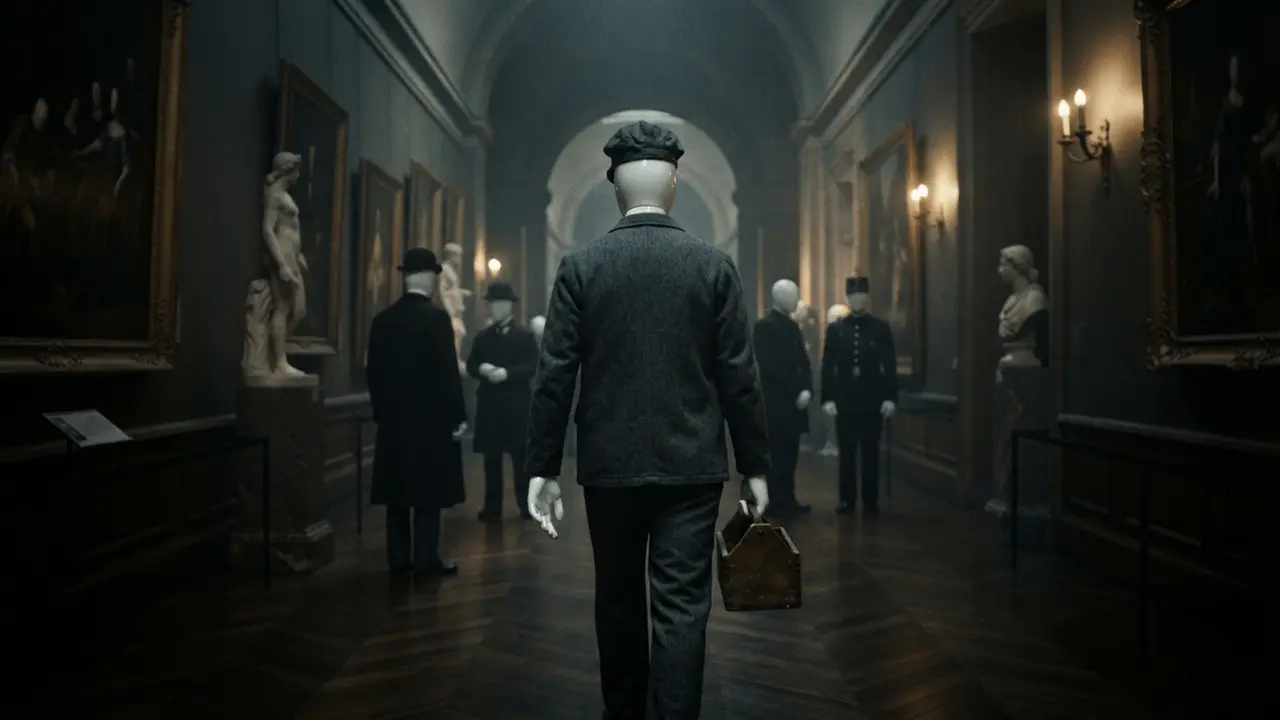
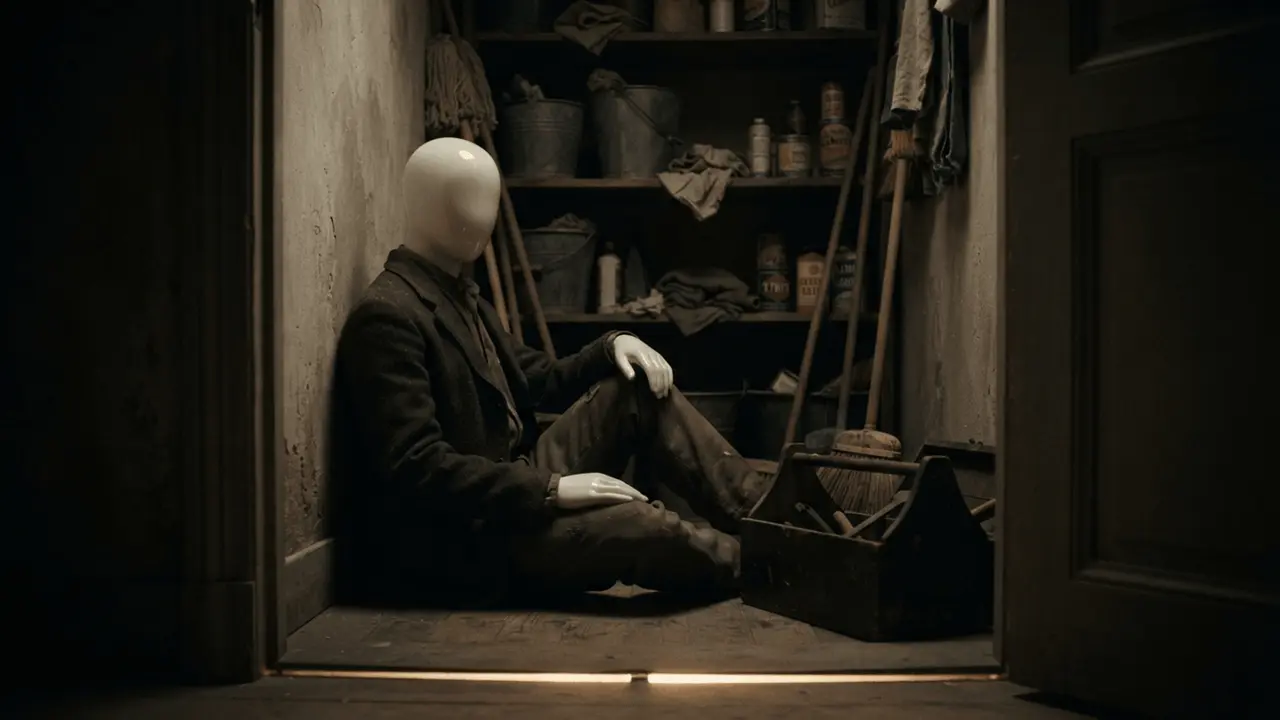
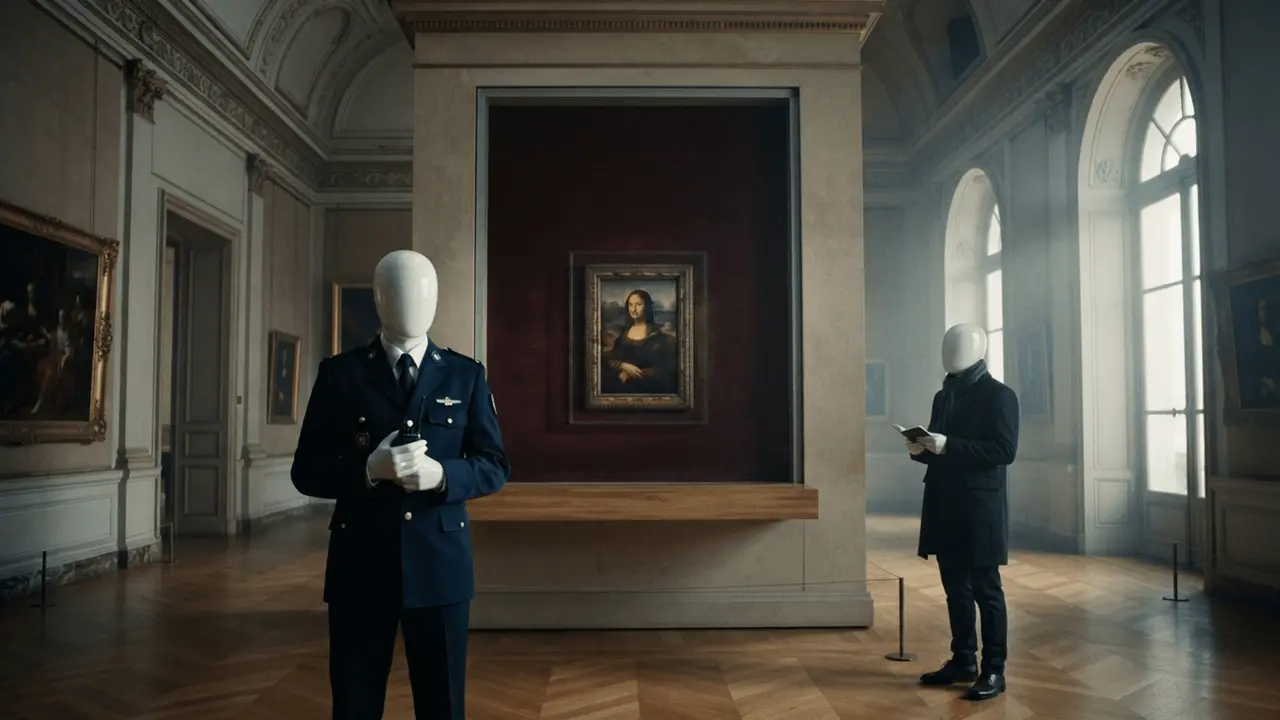
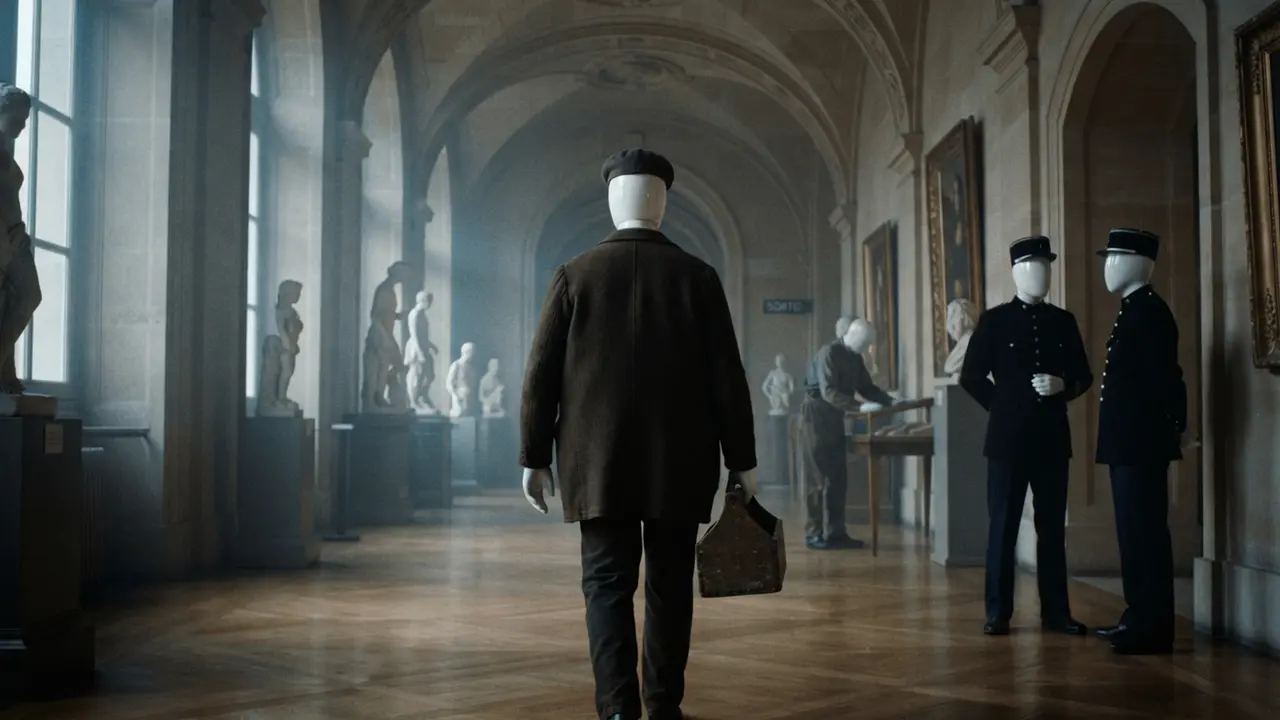
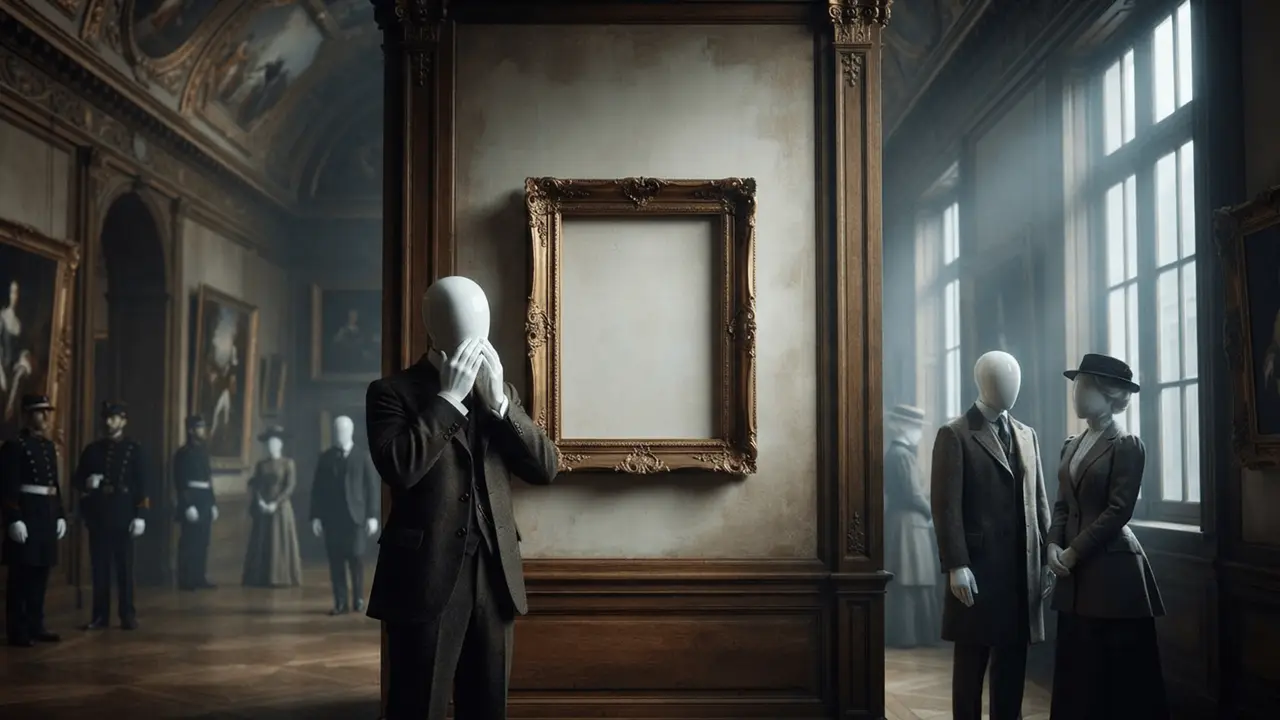
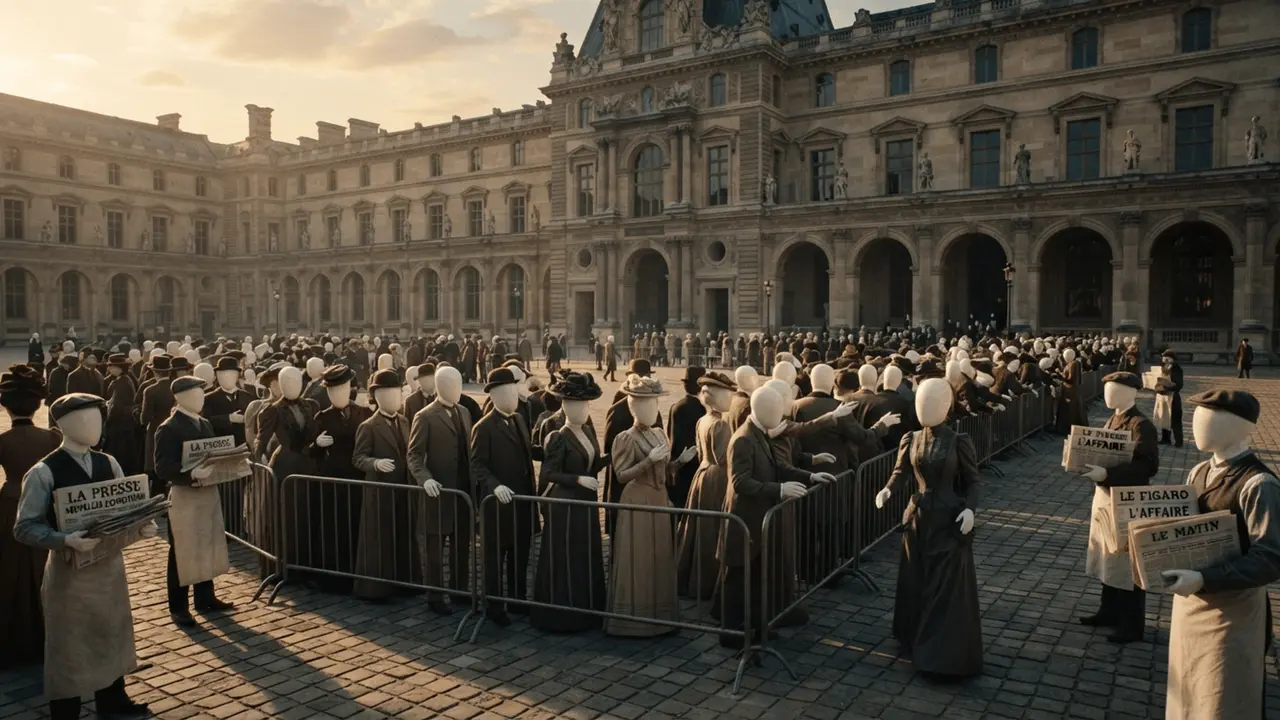
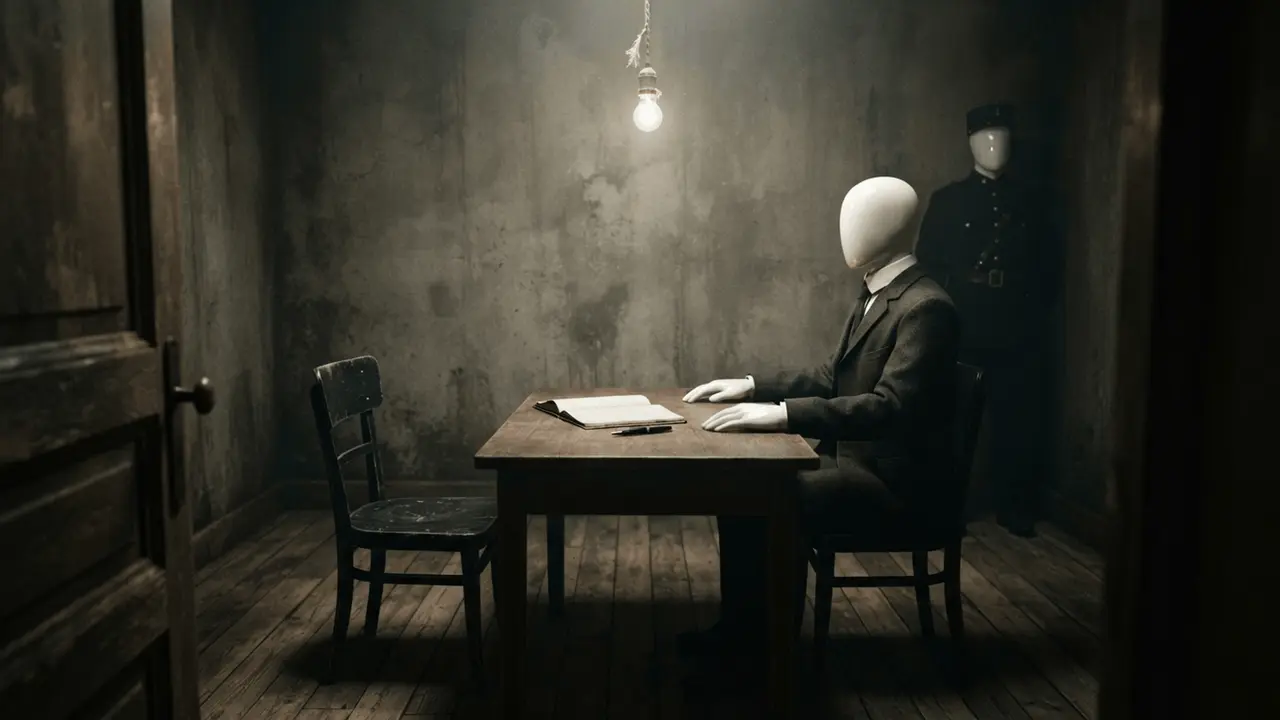
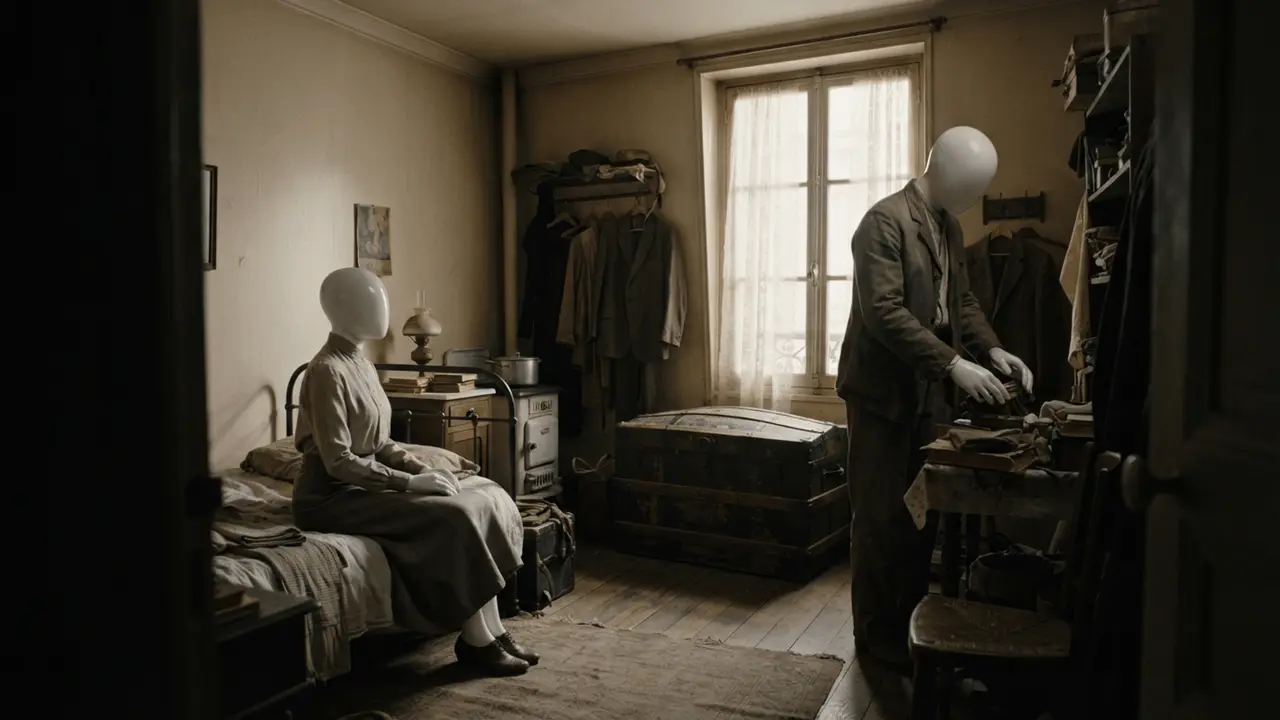
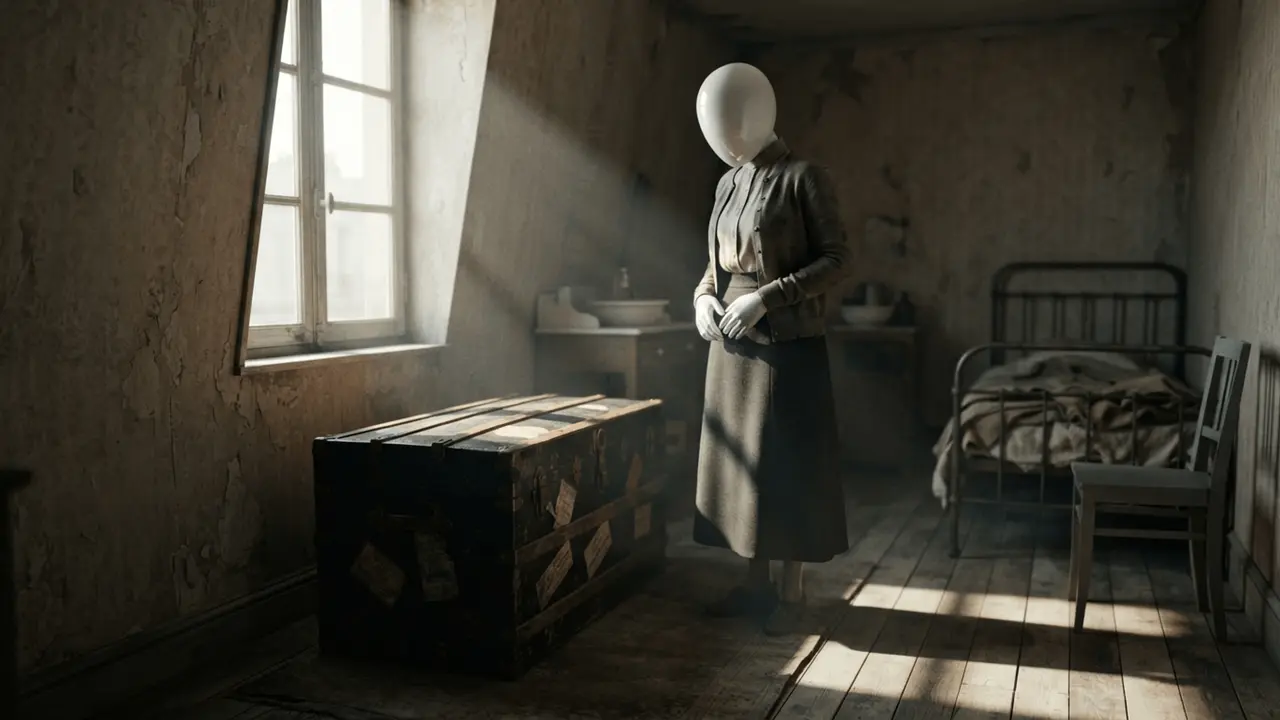
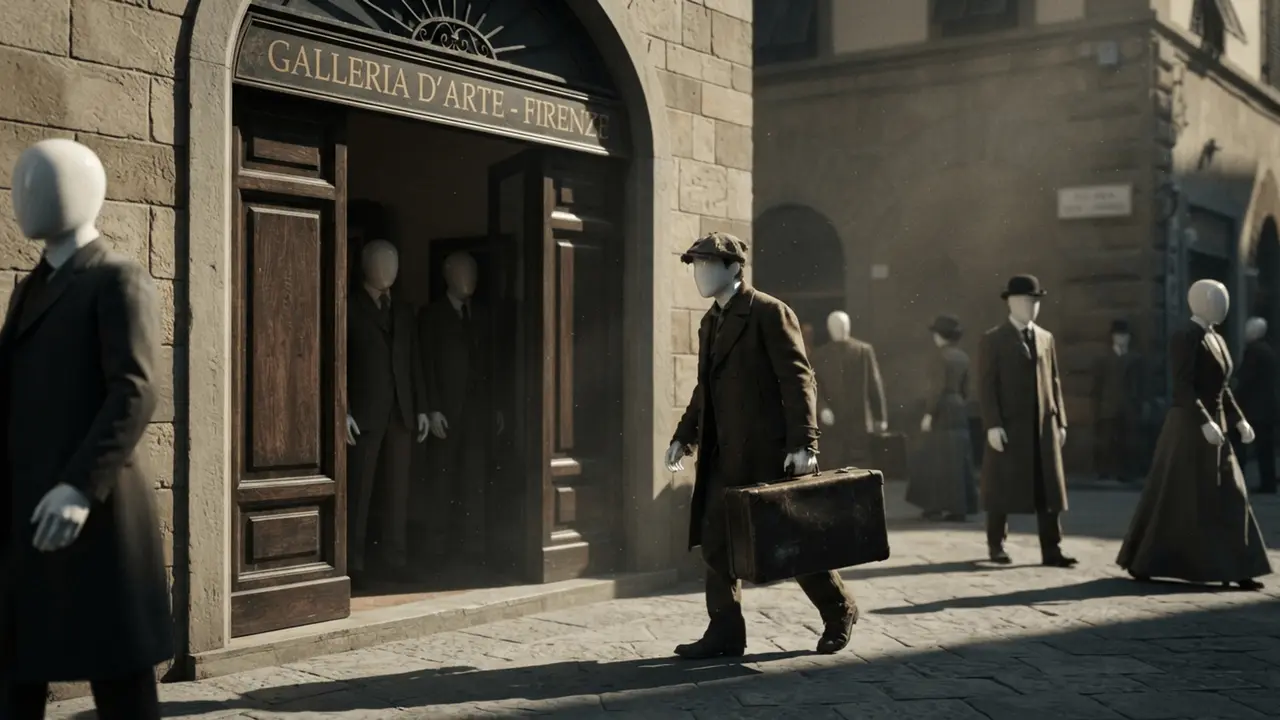
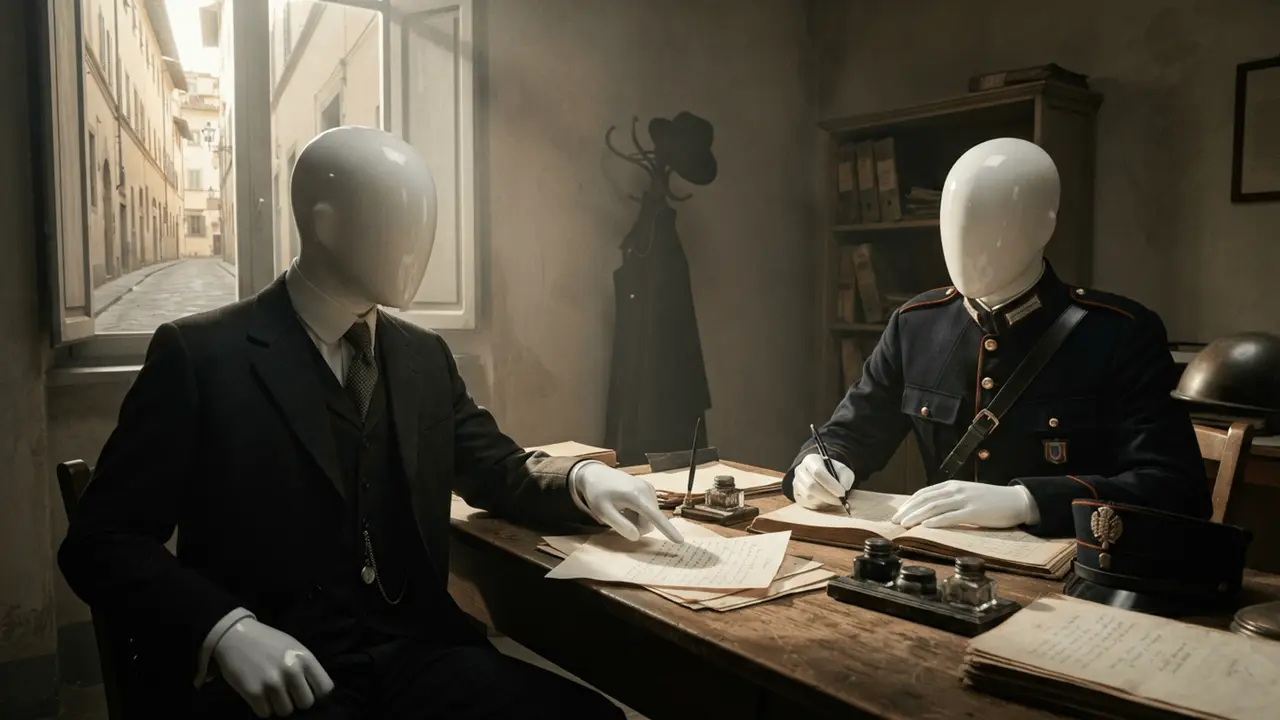
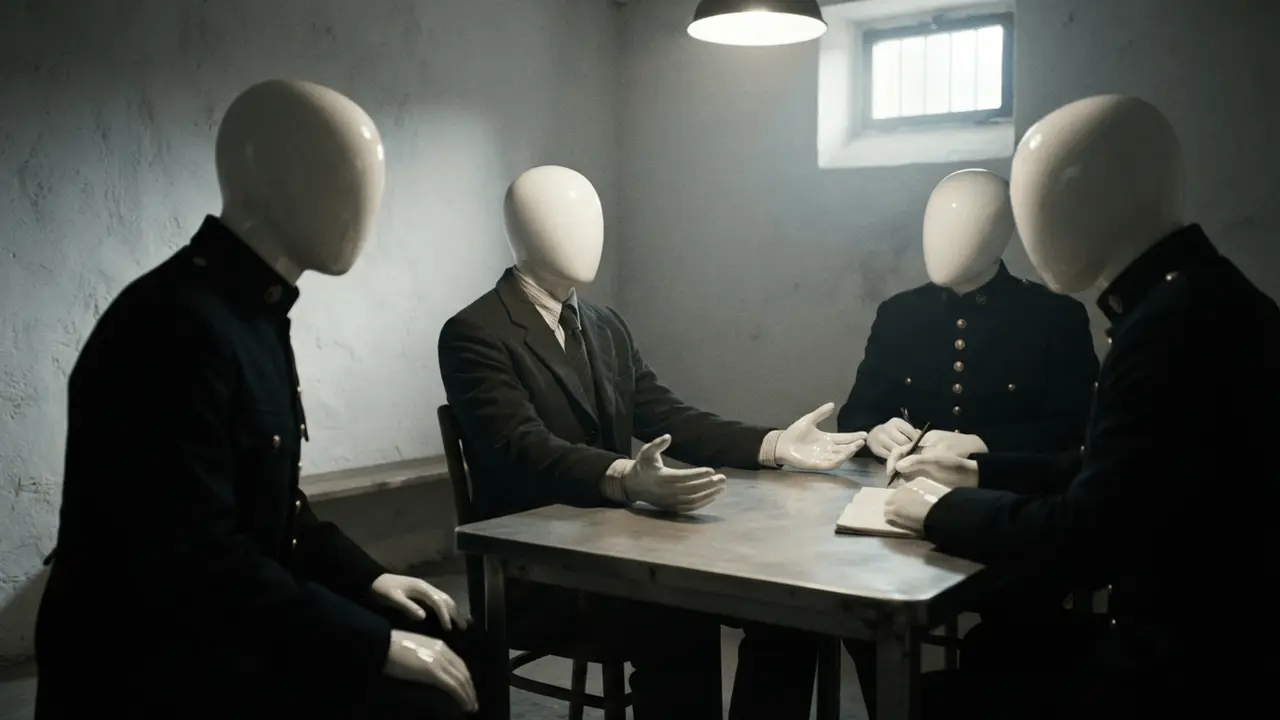
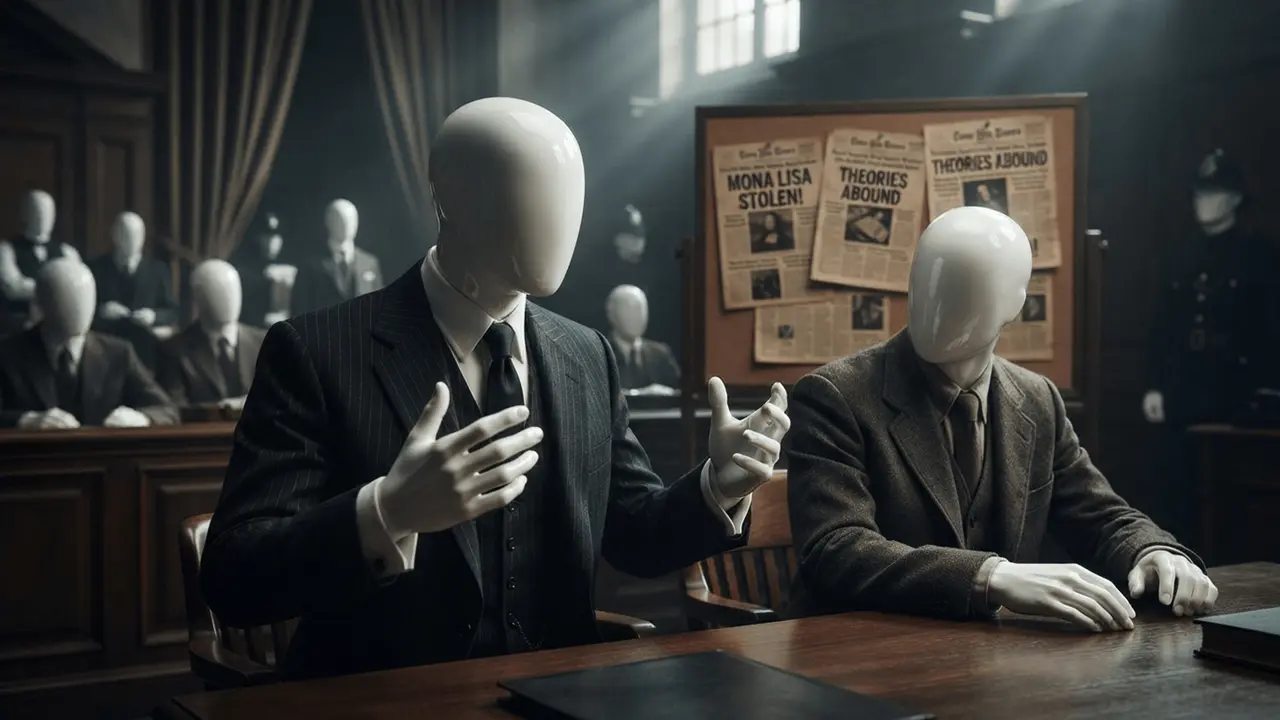
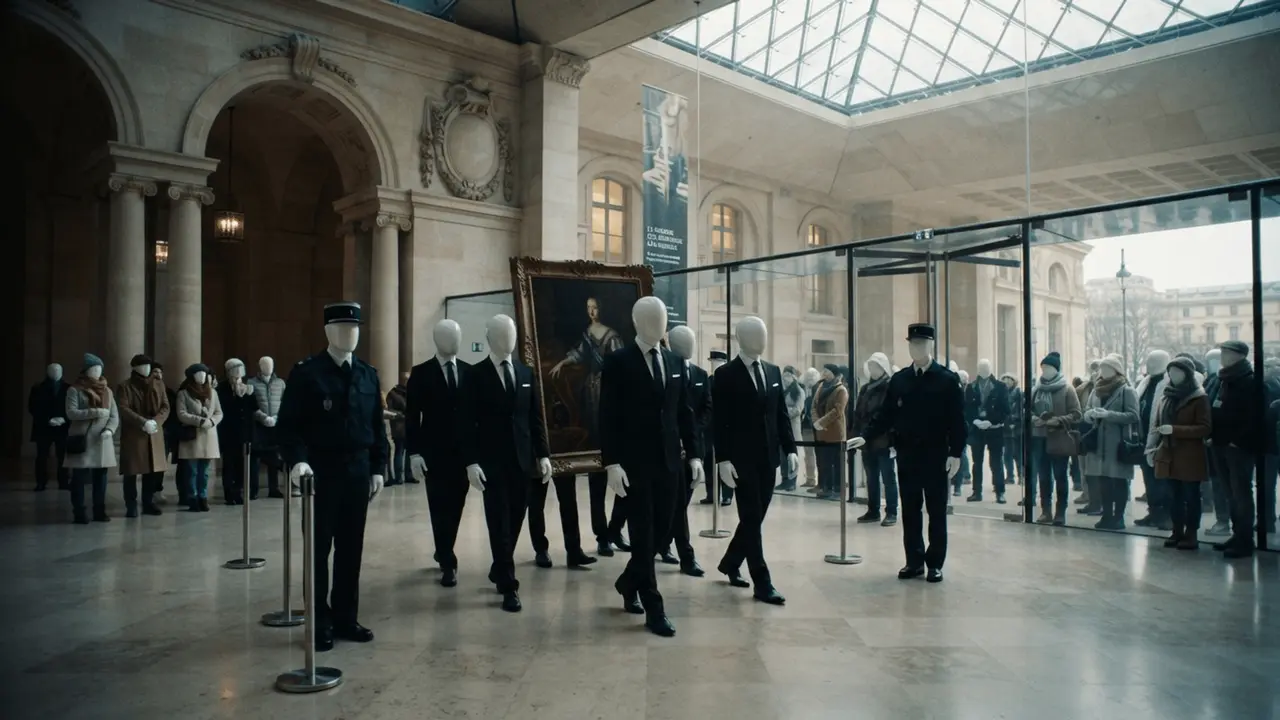
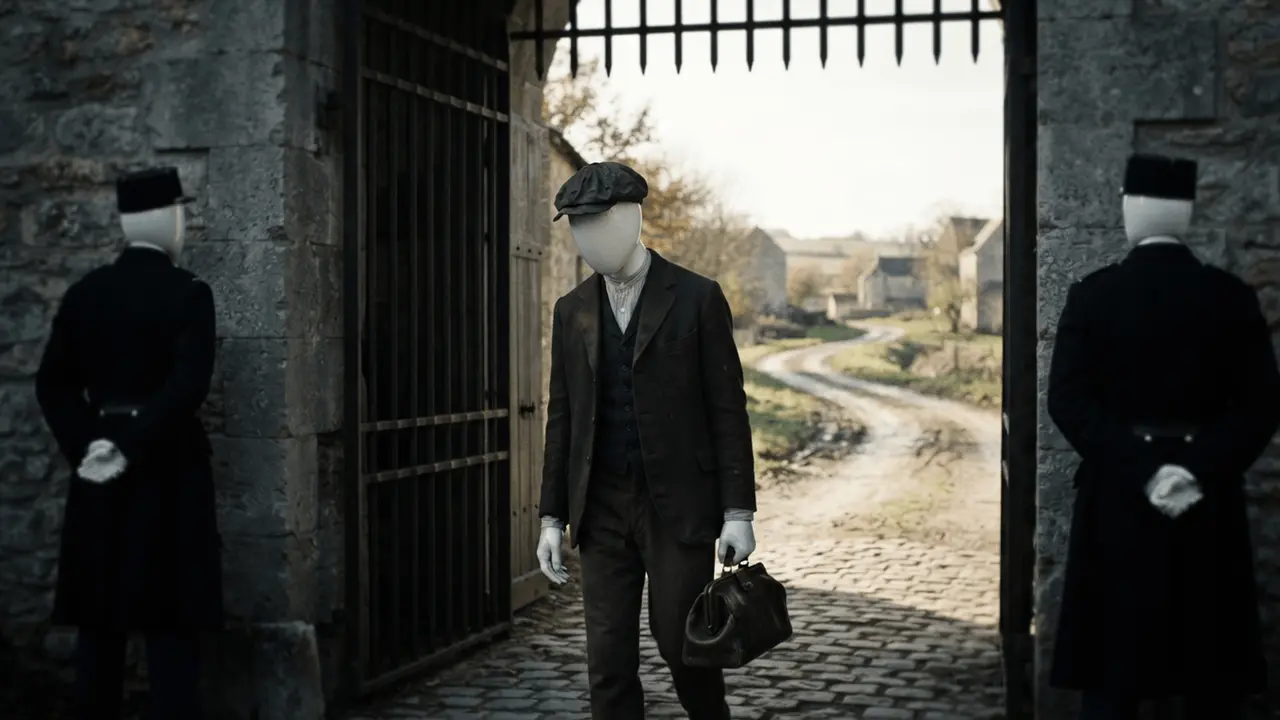
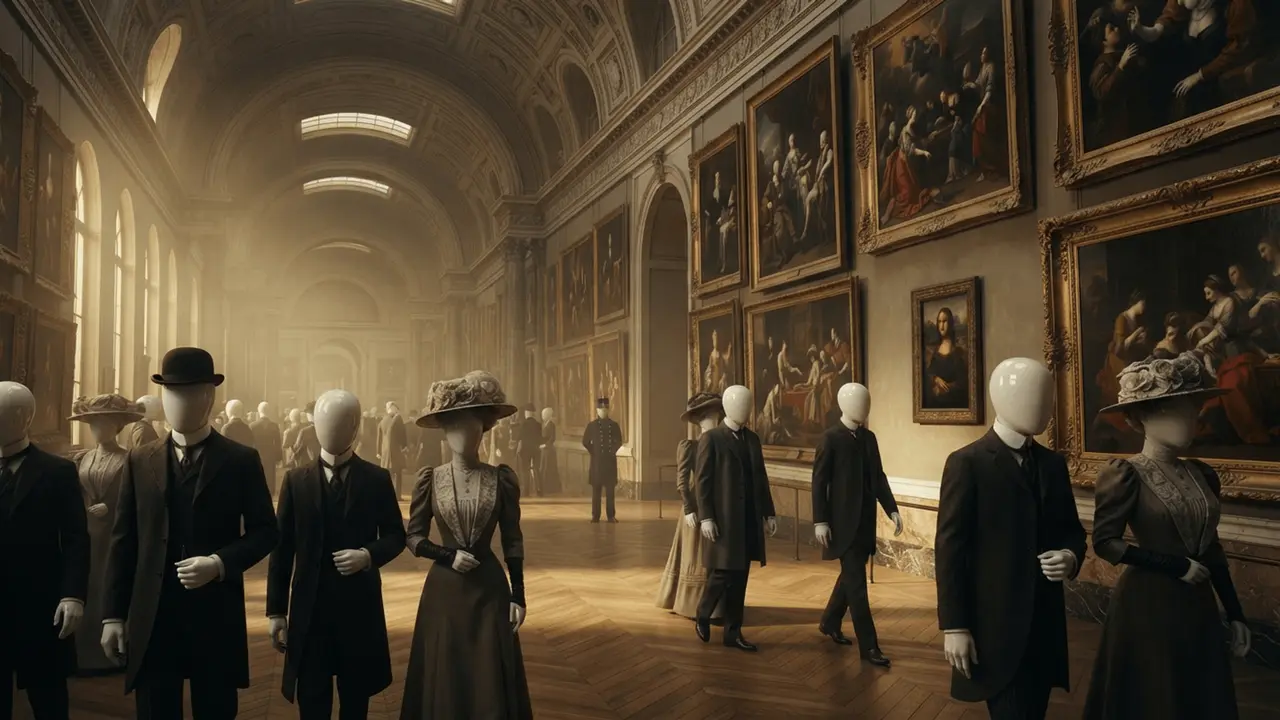
The faceless 3D documentary look
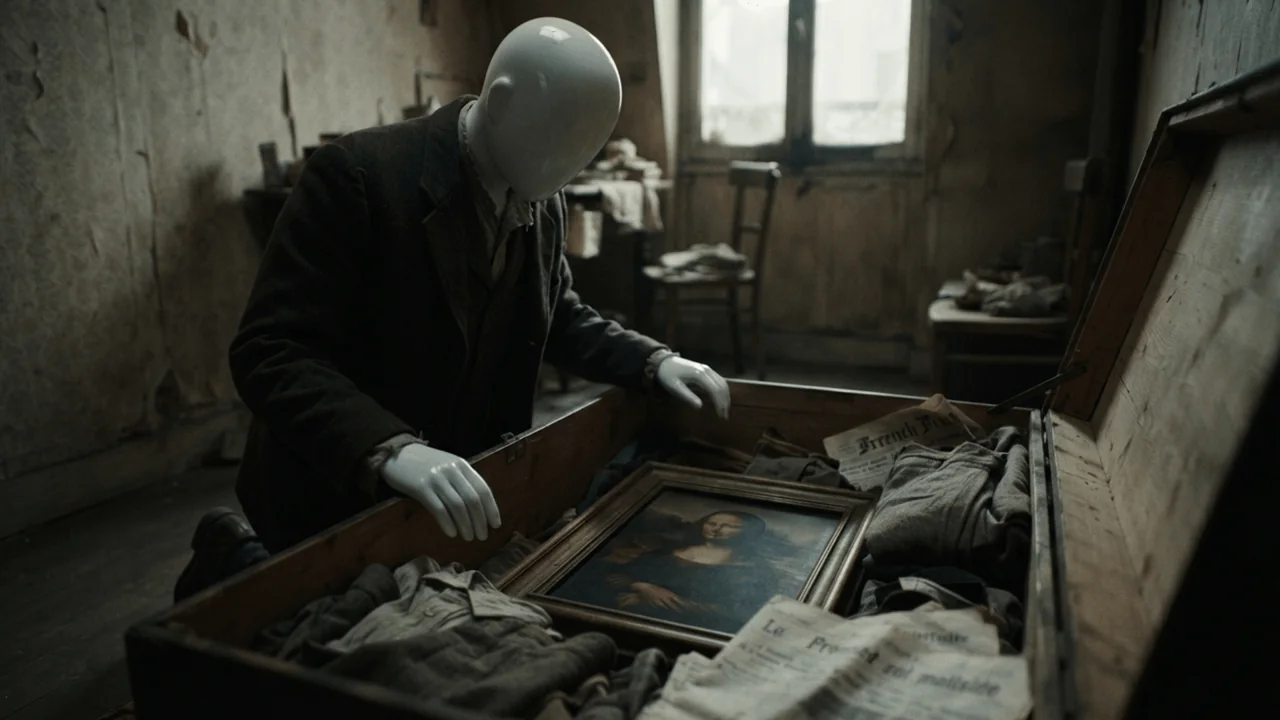
Pick Mannequin 3D and every person in the film is a smooth white mannequin, in real places under cinematic light. All three frames are from the Mona Lisa video above, unedited.
Crowds are mannequins too, not only the lead Costume says who is who: the uniform, the suit Low light does the work faces usually do
Faceless figures keep the film out of the uncanny valley and away from real people's likenesses, so a documentary about real events never puts a made-up face on a real person. The hard part for an image model is the background: most will draw a mannequin lead among ordinary human extras. In ClipFlux the look covers everyone in the frame, and a character you attach keeps the same build and costume from the first chapter to the last. The full walkthrough is in our guide How to make Fern-style videos with AI.
Start from a true story
Each one opens the builder with the brief filled in. Change the words, the length or the look before you generate.
- The Dyatlov Pass incidentMannequin 3D · try 10 min
- Chernobyl, the night of the explosionMannequin 3D · try 12 min
- The Great Train Robbery of 1963Mannequin 3D · try 8 min
- How Enron hid its lossesDoodle 2D · try 10 min
- The lost colony of RoanokePaper Cutout · try 6 min
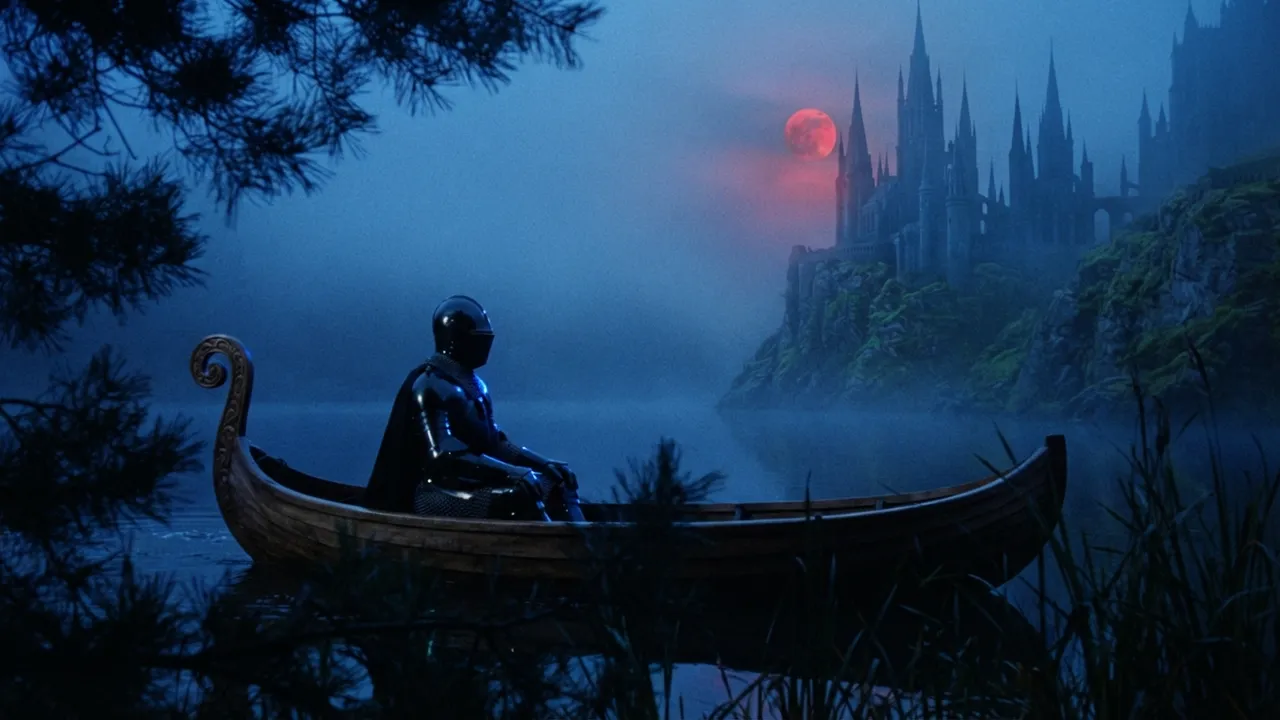
- The legend of King ArthurDark Fantasy · try 8 min
Another documentary, another look
“How the pyramids were actually built”, made with ClipFlux in PS2 Cutscene: 4:03, 8 chapters, 39 scenes. Six of its frames, by chapter.
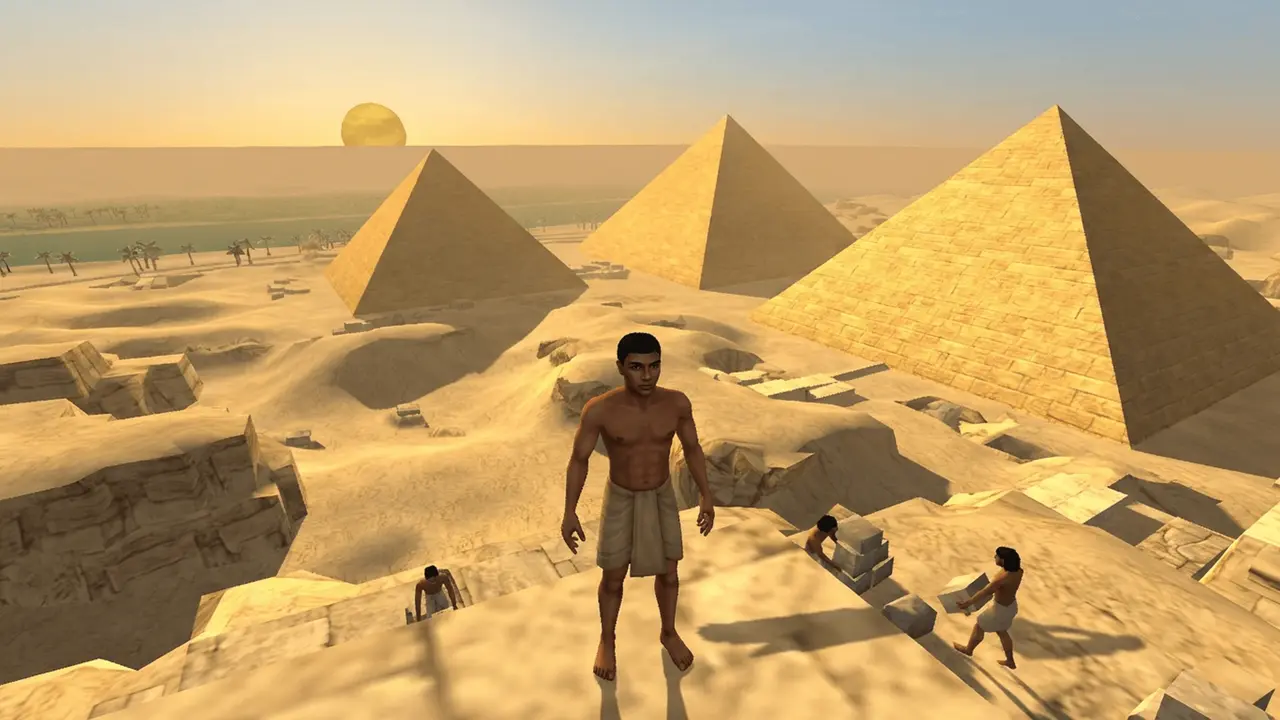
1 · The myth we inherited 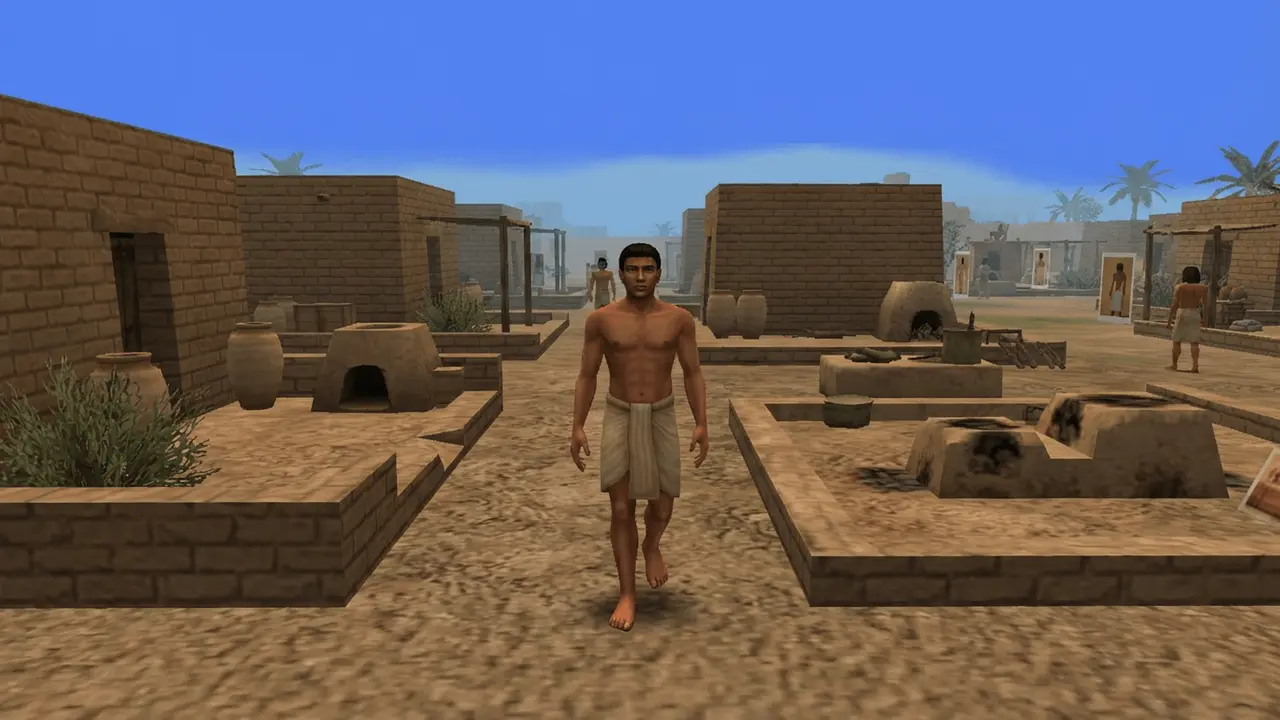
2 · What the evidence actually shows 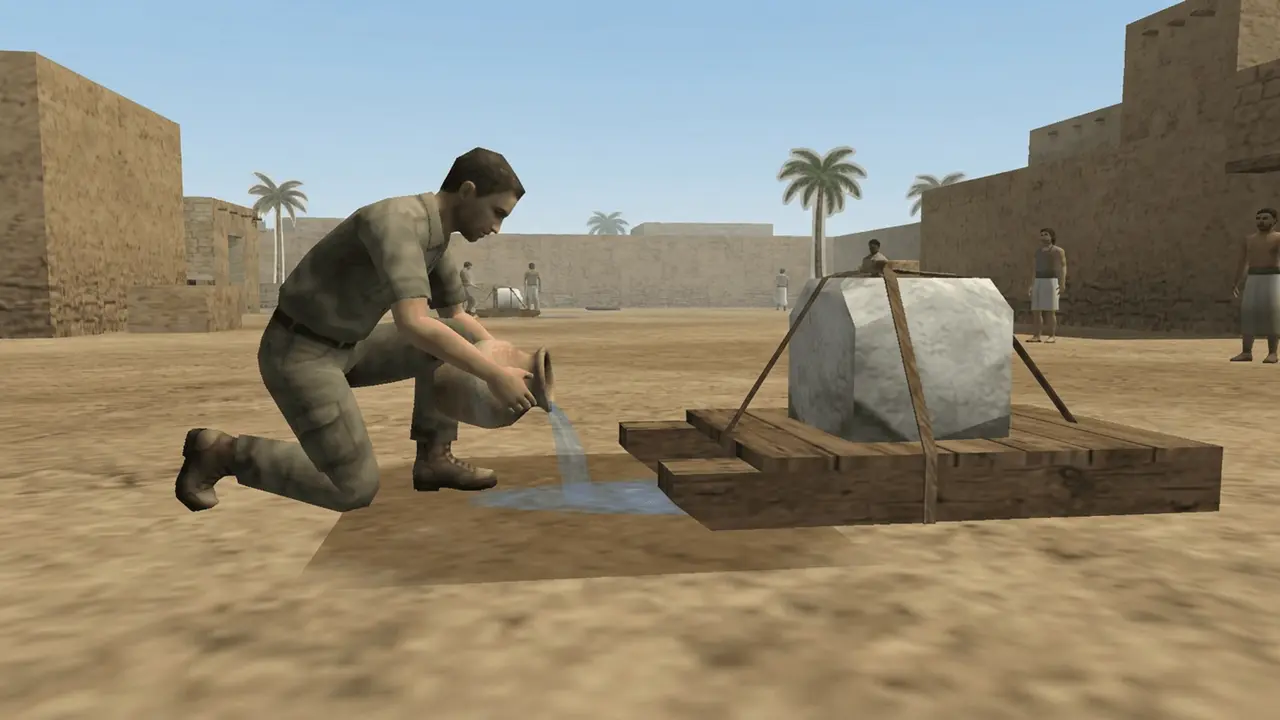
4 · The water-lubrication technique 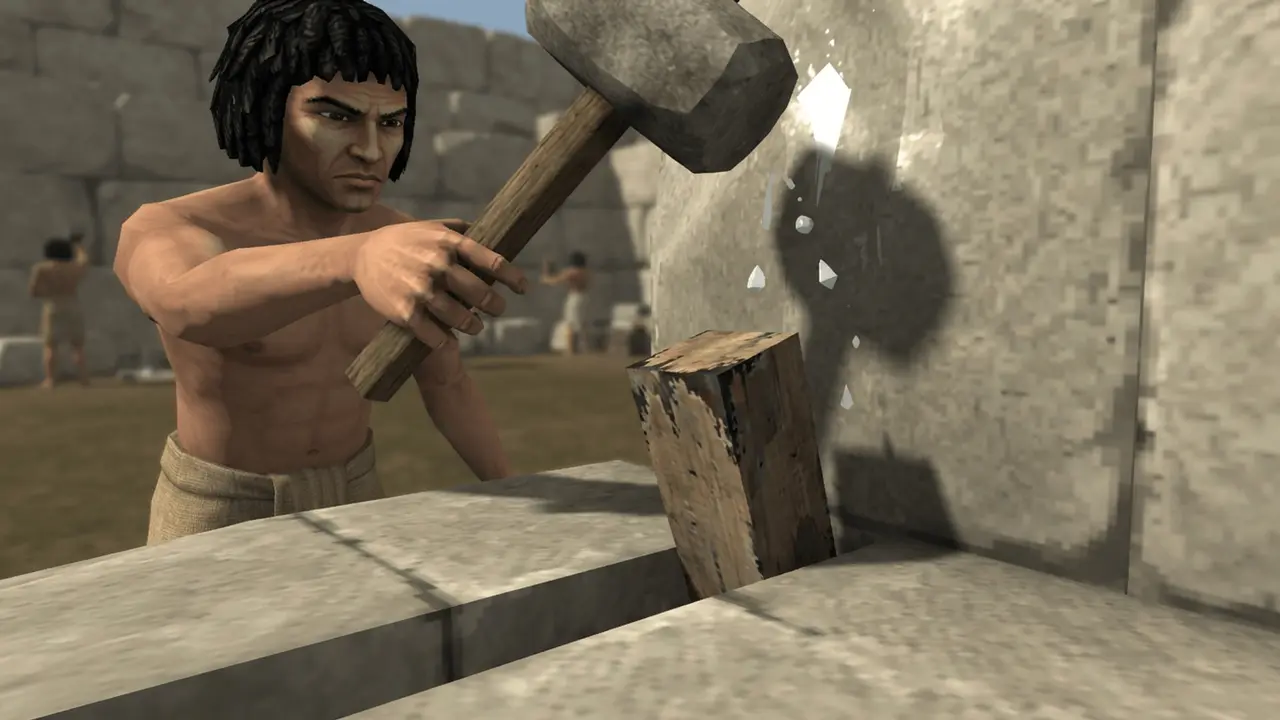
5 · The quarrying revolution 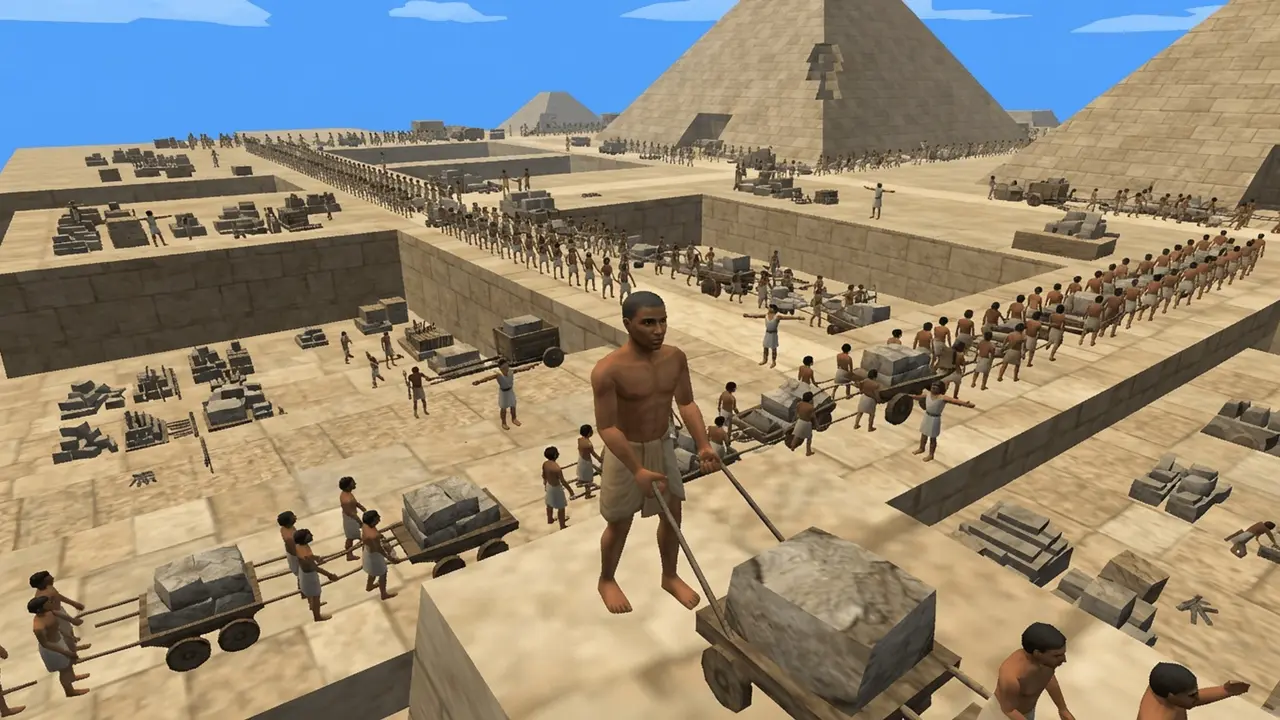
7 · The real timeline 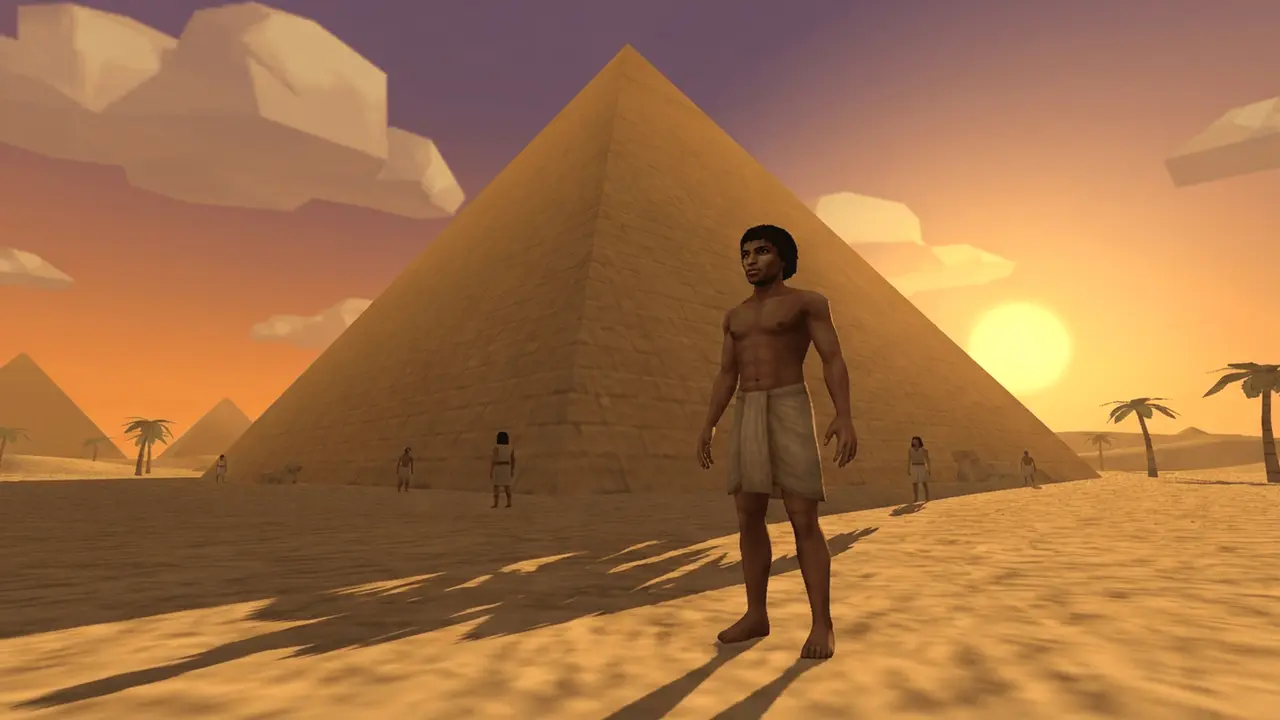
8 · Why we got it so wrong
Check the facts before you publish
AI writes documentaries with total confidence, and some of it is wrong. The pyramids video above is a good example. Most of it holds up: the workers' village, the wet sand that roughly halves the pull needed to drag a sledge, the copper chisels and wooden wedges. Two lines do not:
- It says modern scans revealed ramps spiralling up inside the pyramid. That is a hypothesis, proposed by the architect Jean-Pierre Houdin in 2007 and never confirmed. The 2017 ScanPyramids muon scans found a large void above the Grand Gallery whose purpose is unknown, not a ramp.
- It says Herodotus wrote fifteen centuries after the pyramids were built. He wrote around 450 BC, about two thousand years after the Great Pyramid, which dates to around 2560 BC.
Neither sounds wrong when narrated, which is the problem. So read the script before you export: ClipFlux lets you watch the video scene by scene and send any scene back with a note on what to change, and only that scene is made again. The routine we use is in Can AI make documentary videos?
Looks that carry a documentary
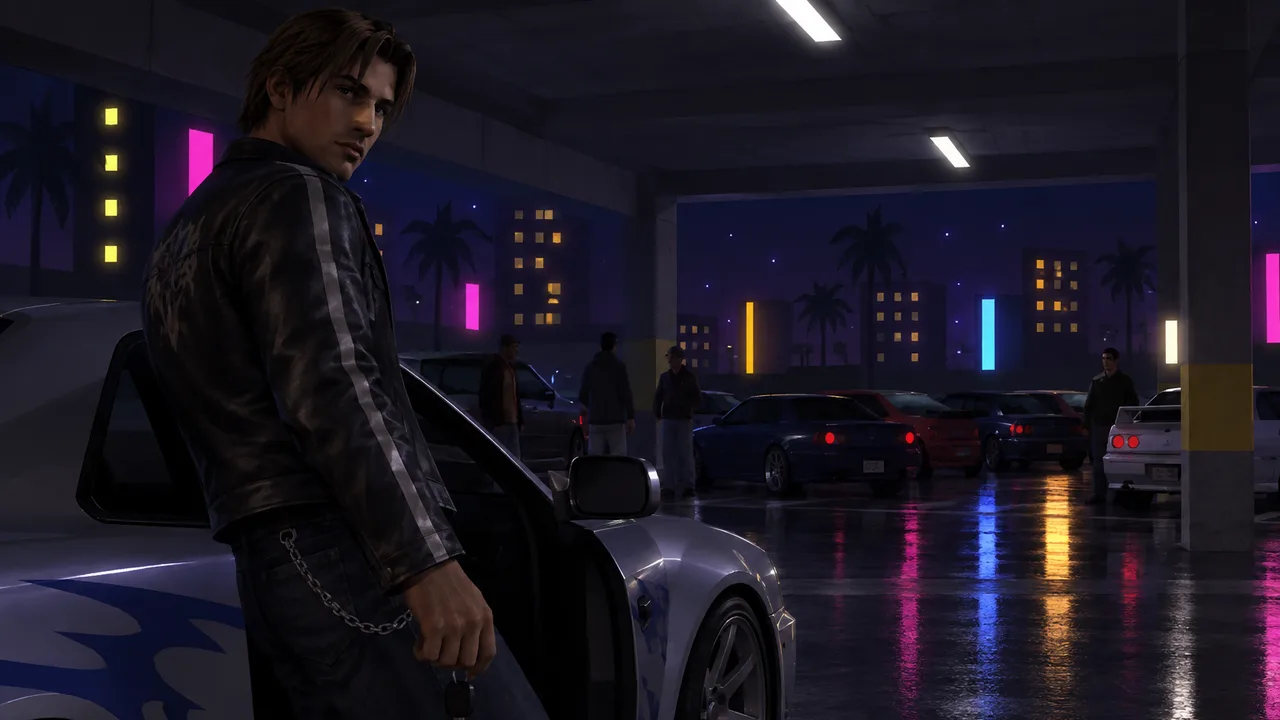
Every scene is drawn in the look you pick, from the cold open to the last chapter. You can also build your own look from reference images.

What you get
- Length
- Up to 15 minutes, 16:9 for YouTube. Free accounts: a 1-minute video
- Script
- Written from one sentence or your own script, as a cold open and chapters
- Visuals
- One image per scene with a slow camera move, all in the look you pick
- Characters
- Attach a character and it looks the same in every scene
- Narration
- 95 narrator voices in 13 languages, plus music
- Captions
- 12 caption styles, or none
- Review
- Watch it scene by scene and regenerate any scene with a note; only that scene is charged
- Editing
- The Studio timeline: trim, reorder, add your own footage and titles
- Price
- 38 credits a minute, from $0.97 a minute on a paid plan
- Publishing
- Post to YouTube from ClipFlux, or download the MP4
Questions about AI documentaries
Can AI make a whole documentary video?
Yes. ClipFlux turns one sentence or a pasted script into a narrated documentary up to 15 minutes long: a cold open, chapters, a scene for every narrated beat, narration, music and captions. What it cannot do is guarantee the facts, so read the script before you publish.
Can it make Fern-style 3D documentaries?
Yes. Pick the Mannequin 3D look and every person in every scene, background crowds included, is a faceless white mannequin in a real, cinematically lit place: the look people call Fern-style. The Mona Lisa video on this page was made that way. Fern is an independent YouTube channel and ClipFlux is not affiliated with it.
Is there a free AI documentary generator?
A free ClipFlux account starts with 60 credits, enough for one 1-minute documentary with chapters, narration and captions. Free videos carry a small ClipFlux watermark, which any purchase removes. Paid plans go up to 15 minutes.
How much does a 10-minute AI documentary cost?
About 380 credits, at 38 credits a minute, which is from $9.74 on a paid plan. Regenerating one scene you are not happy with costs that scene, not the video.
Is it moving video or still images?
Still images, one per scene, each with a slow camera move, under narration, music and captions. That is how most narrated documentary channels look, and it keeps a 10-minute video affordable and consistent.
Can I add my own footage or clips?
Yes. Open the finished video in the Studio, the timeline editor, to trim and move scenes, drop in your own footage, add titles and ask the assistant for changes.
Can AI documentaries be monetized on YouTube?
AI videos can be monetized. What YouTube excludes is inauthentic content: mass-produced videos with nothing of the creator in them. A researched, fact-checked documentary you reviewed yourself is the opposite. YouTube also asks you to label realistic-looking synthetic content about real events when you upload.
Pick a true story.
Your first documentary is free, 1 minute long, no card needed. Plans go up to 15 minutes.
Make a documentary