










To make a motivational video with AI, pick one lesson, put a short story under it, choose a moody look and a calm narrator, add quiet music and captions, and make it as a Short and a long version. ClipFlux does the writing, pictures, narration, music and captions from one line, such as "Why discipline beats motivation". The part that keeps the channel paid is yours: the script must be original, never a re-cut of famous speeches.
Why the format works
Motivational channels sell a feeling in a few minutes: someone is stuck, something turns, and the viewer leaves wanting to act. The pictures stay dark and still so the words carry it, which is why the format suits faceless video so well. What separates the channels that grow from the ones that stall is the script: one clear lesson and a story, not a stack of quotes.
Step 1: Pick one idea, not a topic
"Motivation" is a topic. "Why discipline beats motivation" is an idea a video can prove in five minutes. Write the title first: if it does not promise one lesson, narrow it.
Step 2: Put a story under it
A person, a struggle and a turn: an athlete who lost, an inventor who failed for years, a Roman emperor writing to himself. Quotes can season the story, but check each one against its source; motivational quotes are among the most misattributed lines online, and AI repeats the popular version.
Step 3: Choose a moody look and a calm narrator
| Look | Feel | Good for |
|---|---|---|
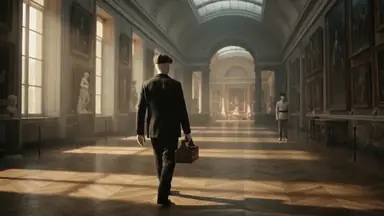
| Realistic | Photo-real and cinematic | Athletes, work, real places |
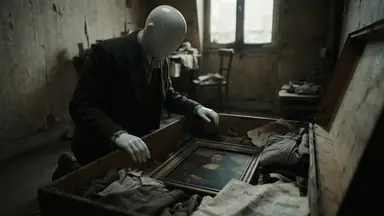
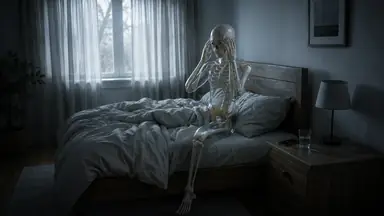
| Mannequin 3D | Faceless figures in moody light | Life lessons, stoic ideas |
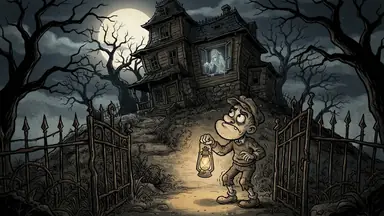
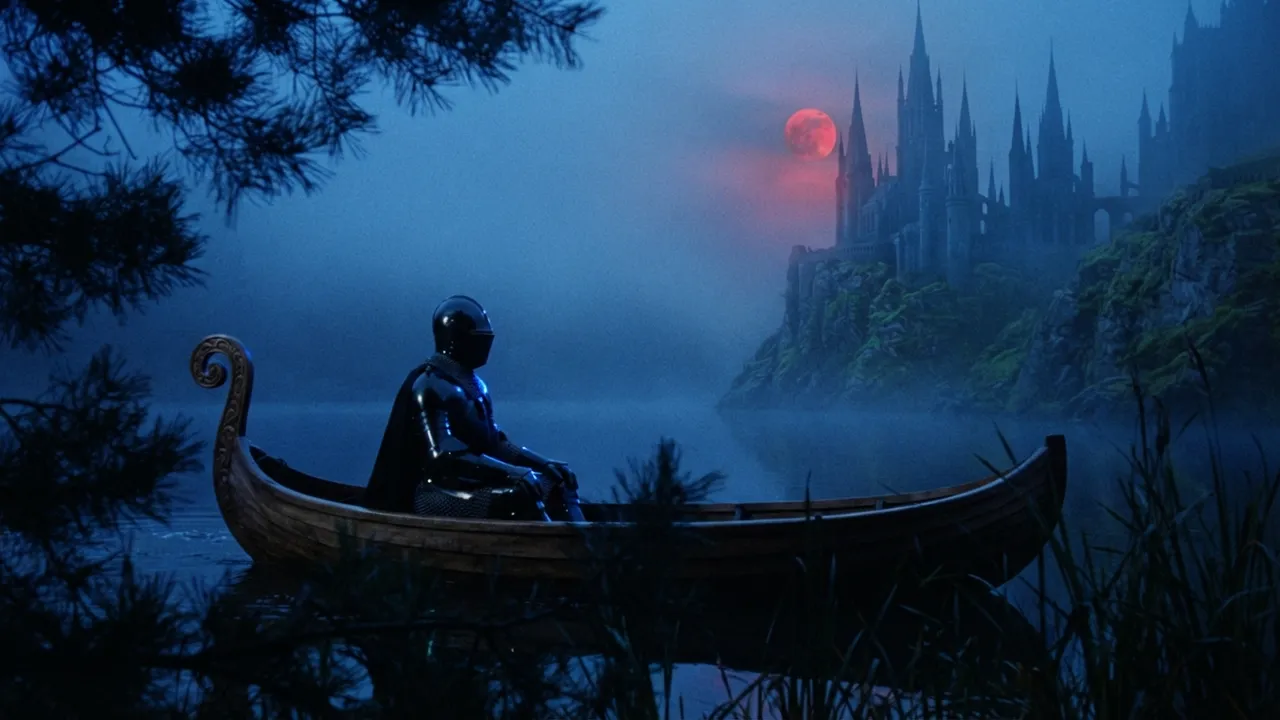
| Dark Fantasy | Fog, night and lone figures | Discipline, struggle, the long road |
Pick a low, unhurried narrator from the voice samples. Standard pacing (one picture a sentence) suits the format better than Fast cuts.
Step 4: Add quiet music and captions
A soft track sits under the voice: Uplifting Inspirational or Contemplative Piano from the built-in music, or your own. Keep captions on; many people watch Shorts muted.
Step 5: Make a Short and a long version
One lesson fits a vertical Short for TikTok, Reels and YouTube Shorts. Three to five lessons in chapters make a long video of 1 to 20 minutes, which earns more per view and can carry mid-roll ads from 8 minutes. A ClipFlux Channel can post both on a schedule.
Step 6: Keep every script your own
Channels that re-cut famous speeches, or post the same video again with a new voice, are what YouTube's reused-content rule refuses to pay. Original scripts with your own angle are fine; the rules are in Can AI videos be monetized on YouTube?
Ideas to start from
- Why discipline beats motivation
- The 2-minute rule that ends procrastination
- What a Roman emperor wrote to himself at night
- Why the first hour of your day decides the rest
- The man who failed 1,000 times before it worked
- Why comfort is the most expensive thing you own
Each opens ClipFlux with the idea filled in. For philosophy in particular, see stoicism and philosophy videos with AI.
Questions
Can I use famous motivational speeches in my videos?
Not safely. Speeches are someone else's recordings and words, and channels built on re-cut speeches are what YouTube's reused-content rule demonetizes. Write your own script around a lesson; ClipFlux narrates it with an AI voice, never a copy of a real speaker.
Can motivational videos made with AI be monetized?
Yes, if the channel meets the YouTube Partner Program rules and the videos are original: your own script and angle, not compilations of other people's clips or the same video again and again.
Should I make Shorts or long videos?
Both work. A single lesson fits a vertical Short for TikTok, Reels and Shorts; a long video of several lessons in chapters earns more per view and can carry mid-roll ads from 8 minutes.