
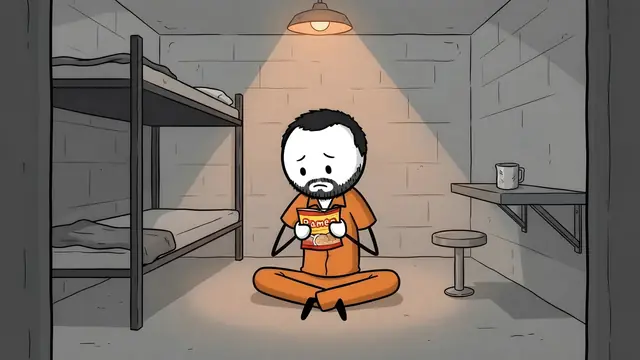











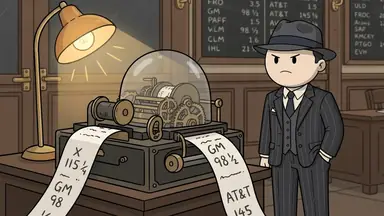
This 3:27 video was made with ClipFlux from five words: "The Wall Street Crash explained". ClipFlux planned it in five chapters, from the Roaring Twenties to the aftermath, wrote and narrated the script, and drew all 36 scenes in its Doodle 2D look with the same round-headed banker throughout. It is shown here unedited.
3:27, the whole video, unedited. Made with ClipFlux in the Doodle 2D look.
How it was made
| This video | |
|---|---|
| Started from | "The Wall Street Crash explained" |
| Look | Doodle 2D |
| Pacing | One picture per narration line |
| Length | 3:27 |
| Chapters | 5, after a cold open |
| Scenes | 36 |
| Edited by hand | No |
Full transcript
0:00 Cold open
In 1929, the stock market didn't just fall. It collapsed, wiping out fortunes in days and triggering the Great Depression.
0:09 The Roaring Twenties
After World War I ended, America emerged stronger than ever before. The economy boomed. Factories hummed. Jobs were plentiful and wages climbed steadily. Stock prices climbed higher and higher. Ordinary Americans saw an opportunity to get rich. They didn't need cash to buy. Banks and brokers offered margin accounts. You could buy a hundred dollars of stock with just ten dollars down. Everyone believed stocks could only rise. Wealth seemed infinite and within reach for all.
0:40 The Bubble Inflates
But belief alone cannot sustain value. Stock prices soared while company earnings stagnated. Investors bought stocks they never read about, companies they could not name. Shoeshine boys and taxi drivers became overnight experts, offering stock tips to anyone who listened. Warnings came from those who understood markets, but their voices were drowned out by the roar of easy profits. By September 1929, stocks had reached heights that defied all logic and reason. The peak was near.
1:11 Black Thursday
October 24, 1929 dawned gray and cold over Wall Street. Investors arrived early, sensing something was wrong. The mood was tense. The opening bell rang. Within minutes, sell orders flooded in like a tidal wave. Prices fell faster than anyone had predicted. Fortunes vanished in minutes. But the ticker machines could not keep pace. Prices printed minutes late. The lag created a vacuum of fear. Traders sold blindly, not knowing current prices. By day's end, nearly thirteen million shares had changed hands. The market had lost billions.
1:48 Black Tuesday
When trading opened on Tuesday morning, that fear turned into pure panic. Sixteen million shares would trade that single day, a record that stood for decades. The volume was so overwhelming that the ticker machines could not keep pace. Brokers received margin calls from their banks, demanding immediate payment for losses. Clients who had borrowed to buy stocks now owed more than their shares were worth. Forced to sell to meet the calls, investors dumped shares at any price they could get. The selling accelerated the collapse, driving prices down further with each passing hour. By day's end, the market had shed billions more, and the worst was far from over.
2:29 The Aftermath
In the days after Black Tuesday, the full scale of the disaster became clear. Investors who had borrowed money to buy stocks now faced catastrophic losses. Many had bought on margin, borrowing up to ninety percent of a stock's price. When stocks fell, brokers demanded repayment. Investors had to sell everything to survive. Banks that had invested depositors' savings in stocks collapsed under the weight of losses. Thousands of banks failed in the years that followed, wiping out ordinary Americans' life savings. Unemployment exploded as businesses collapsed and factories shut their doors permanently. By 1933, one in four Americans was out of work. The Great Depression had begun. The crash forced America to rethink how markets worked and how to protect ordinary investors. The Wall Street Crash of 1929 reshaped finance, regulation, and American society forever.
Make a video like this
Type a topic, pick the Doodle 2D look and a narrator, and ClipFlux writes, draws and narrates it the same way. Start from this video's brief, or read more on the finance and money explainer videos with AI page.
More examples
- Could you survive a lifetime as a medieval peasant? (14:40, Doodle 2D)
- The man who stole the Mona Lisa (3:30, Mannequin 3D)
- How the pyramids were actually built (4:03, PS2 Graphics)
- What is actually inside a fire hydrant? (2:46, Realistic)
- Ancient humans after dark (2:41, Cartoon Stickman)