










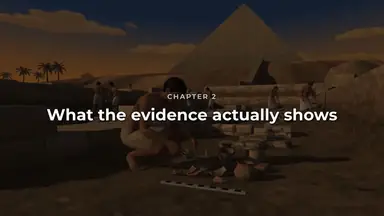

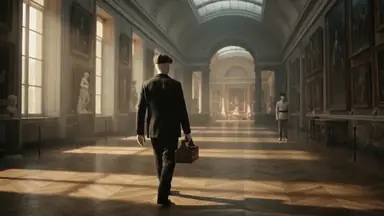
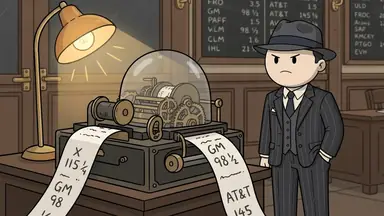
ClipFlux makes science and how-it-works videos for YouTube from one question, such as "What is actually inside a fire hydrant?" or "What happens to your body without sleep?". It writes the explanation as a narrated script, draws or renders every scene, and adds captions, music and a thumbnail. Long videos run 1 to 20 minutes; Shorts are vertical.
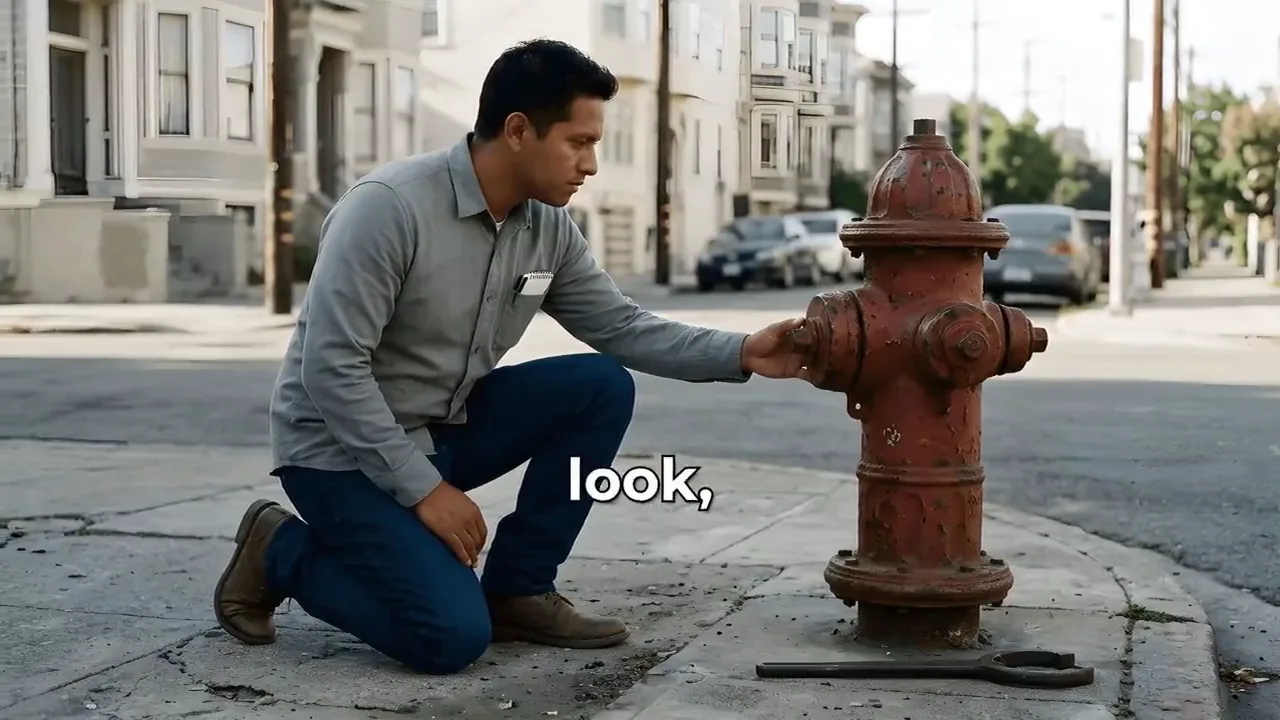
A real example
Nobody typed that topic. A Channel picked it, wrote it, made it and posted it on schedule. Watch it, with the full transcript.
Pick a look by topic
| Topic | Example | Look |
|---|---|---|
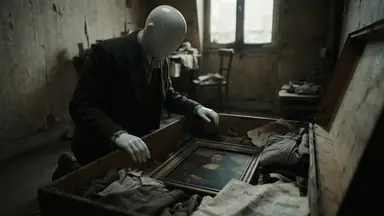
| Real objects and places | What is actually inside a fire hydrant? | Realistic |
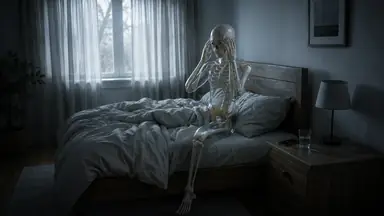
| The body and "what if" questions | What if you stopped sleeping? | Stickman, Cartoon Stickman |
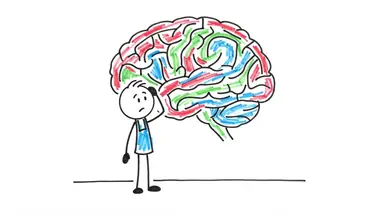
| One idea on a page | How vaccines teach your body | Whiteboard |
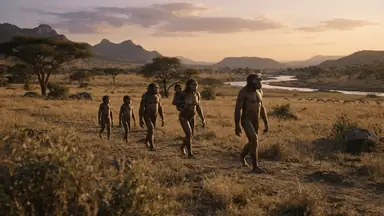
| Space and big scales | How a black hole would actually kill you | Realistic, Stickman |
Diagrams and accuracy
With Fast cuts pacing, ClipFlux adds simple diagrams, maps and timelines between the story scenes, with short labels. AI drawings can misspell a label, so check them. No tool checks the science for you: the script comes from what the language model knows, so put the source you trust in the brief and check numbers and claims before you post.
For "what if" videos about the body and space, see how to make "what if" videos.
What it costs
A 10-minute video is about $10.73 on the $29 Starter plan, from $9.49 on a yearly plan. Choose a 3D or motion-graphics studio instead if you need exact animated mechanisms, like an engine turning part by part; ClipFlux shows each step as a scene with camera moves.
More answers
- What website makes faceless YouTube videos for you?
- Is there an AI that makes YouTube videos from just a topic?
- Is there an all-in-one tool for running a faceless YouTube channel?
- What AI makes whiteboard animation videos for YouTube?
- What AI makes cartoon story videos for YouTube?
- How do you make videos like OverSimplified with AI?
- What AI makes 3D animated history documentaries?
- Which AI makes faceless YouTube videos in other languages?
- Can AI copy the style of a YouTube channel you like?
- Is there an AI that creates a whole YouTube channel for you?
- What AI makes scary story videos for YouTube?
- What AI makes mythology videos for YouTube?
- What AI makes finance and money explainer videos for YouTube?
- What AI makes psychology videos for YouTube?
- What AI makes stoicism and philosophy videos for YouTube?
- What AI makes Bible story videos for YouTube?
- What AI makes biography videos about famous people?
- Can AI make history videos for sleep?
- All answers
Questions
Can it draw diagrams?
With Fast cuts pacing it adds simple diagrams, maps and timelines between the story scenes, with short labels. AI drawings can misspell words, so check the labels.
Is the science checked?
No tool checks it for you. The script comes from what the language model knows; check numbers, names and claims before you post, and put the source you trust in the brief.
Which look should I pick?
Realistic when the topic is a real object or place, Stickman or Cartoon Stickman for "what if" and "what happens to your body" questions, Whiteboard for one idea on a page.