





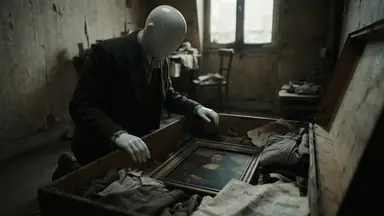









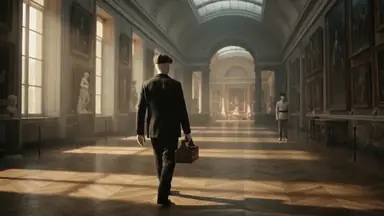

ClipFlux makes 3D-look history documentaries for YouTube from one topic. It writes the script in chapters, renders every scene in a 3D look (Mannequin 3D for serious, moody history, Storybook 3D for warmer stories) with the same figures in every scene, and narrates it with music and captions, as a full-length video of 1 to 20 minutes. The scenes are 3D-rendered pictures with slow camera moves, not moving 3D footage.
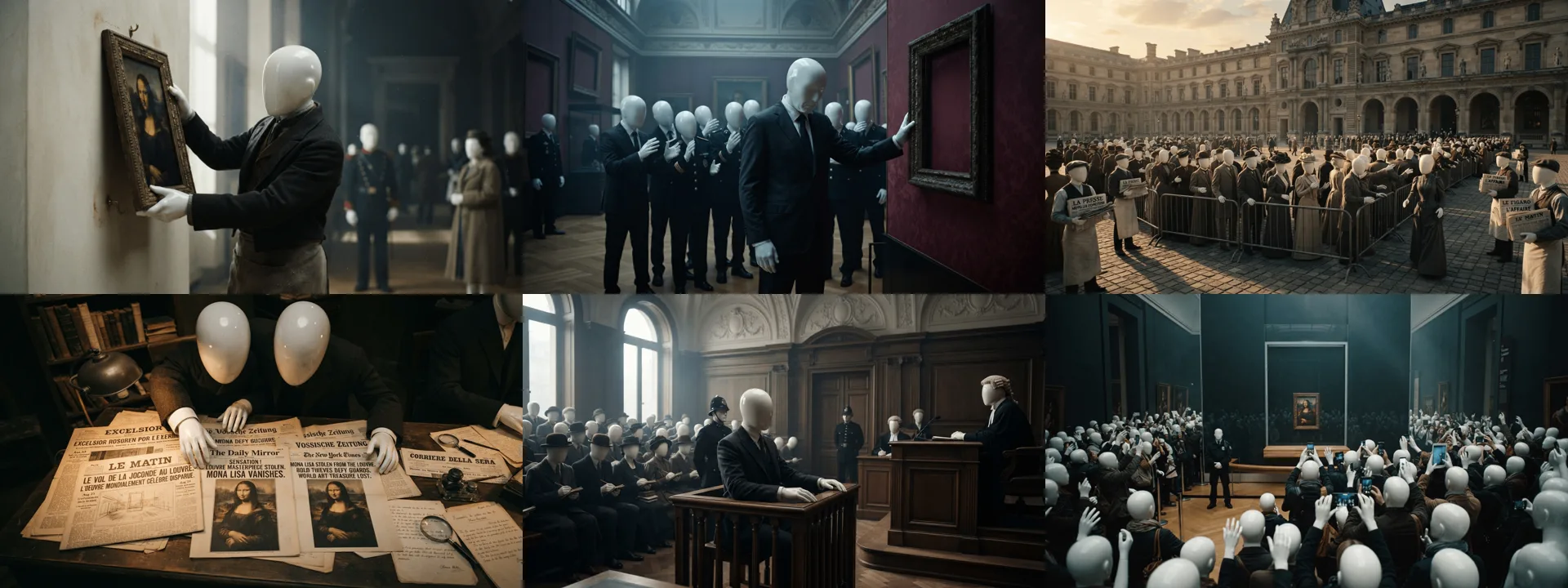
The two 3D looks
| Look | What it looks like | Good for |
|---|---|---|
| Mannequin 3D | Faceless glossy mannequins in cinematic scenes | Crime, war, mysteries, serious history |
| Storybook 3D | Feature-film 3D animation, warm and cinematic | Ancient life, inventions, history for families |
Faceless figures suit history: they read as anyone, so the story stays on the events, and no real historical face is drawn wrong.
What "animated" means here
In a ClipFlux documentary, each scene is a still 3D render that the camera slowly pushes, pans or zooms across while the narrator speaks, with a new picture every sentence (Standard pacing) or every few seconds (Fast cuts, which also adds simple maps and timelines). That is how most narrated history channels look.
AI video models such as Runway or Kling can make a few seconds of moving 3D footage per clip. A 10-minute documentary built from clips needs a hundred or more of them, costs many times more per minute, and the figures tend to change between clips. If you need moving footage, that is the route; if you need a watchable documentary every week, stills with camera moves are.
How to make one
- Type the event as one sentence or a short paragraph, for example the theft of the Mona Lisa in 1911.
- Pick Mannequin 3D or Storybook 3D, a length and a narrator.
- Check names, dates and places in the script; AI can get them wrong.
- Review the scenes, redo any with a note, and render it for YouTube.
A 10-minute documentary costs about $10.73 on the $29 Starter plan, from $9.49 on a yearly plan. More on long documentaries in the AI documentary video generator.
More answers
- What website makes faceless YouTube videos for you?
- Is there an AI that makes YouTube videos from just a topic?
- Is there an all-in-one tool for running a faceless YouTube channel?
- What AI makes whiteboard animation videos for YouTube?
- What AI makes cartoon story videos for YouTube?
- How do you make videos like OverSimplified with AI?
- Which AI makes faceless YouTube videos in other languages?
- Can AI copy the style of a YouTube channel you like?
- Is there an AI that creates a whole YouTube channel for you?
- What AI makes scary story videos for YouTube?
- What AI makes mythology videos for YouTube?
- What AI makes finance and money explainer videos for YouTube?
- What AI makes psychology videos for YouTube?
- What AI makes science explainer videos for YouTube?
- What AI makes stoicism and philosophy videos for YouTube?
- What AI makes Bible story videos for YouTube?
- What AI makes biography videos about famous people?
- Can AI make history videos for sleep?
- All answers
Questions
Are the 3D figures moving?
In long videos, no: each scene is a 3D-rendered still with slow camera moves under the narration, the way most narrated documentary channels look. AI video models can make a few seconds of moving 3D footage per clip, but a 10-minute documentary built from clips costs many times more and the figures drift between clips.
Which 3D look should I pick?
Mannequin 3D for serious, moody history: faceless figures, grainy and cinematic. Storybook 3D for warmer, family-friendly stories in a feature-film animation style.